




Why Cleaning a Watch Is More Complex Than It Seems
In a watchmaking workshop, it's rare for a watch to arrive simply "dirty." It can be contaminated by rust, oxidation, battery leakage, solidified old oils, grease, sebum, dust, moisture, or accumulated residues in bracelets and cases.
The first step is always to identify the problem before choosing a product. A quartz watch suffering from battery leakage is not treated the same way as a dirty steel bracelet or an old watch found in an attic.
An ultrasonic cleaner is not a cleaning product. It is a tool that enhances the action of a liquid through cavitation: micro-bubbles form in the bath, implode, then dislodge dirt in hard-to-reach areas.
Manual Cleaning or Ultrasonic Cleaning
Manual Cleaning
Manual cleaning remains essential for sensitive parts. This method is preferred for quartz movements, coils, electronic circuits, dials, painted hands, decorated components, and fragile elements.
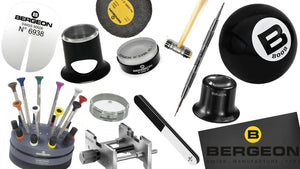
Watchmaker brushes, wooden sticks, microfiber cloths, blowers, 99% isopropyl alcohol, or electronic contact cleaners are used.
Ultrasonic Cleaning
Ultrasonics are primarily suitable for bracelets, cases, clasps, buckles, disassembled mechanical parts, and non-sensitive metal components.
They are particularly effective on dirt lodged in links, threads, gasket housings, or case corners.
Rust
Rust appears when a ferrous component remains exposed to water and oxygen. It often affects screws, axles, springs, or internal parts after water infiltration.
It can block a movement, weaken a part, or cause accelerated wear. Cleaning is first done mechanically, with a soft brush or suitable tool, then with a specialized product if necessary.
White vinegar or citric acid can help with certain oxidations, but they must be used with caution. In the workshop, specialized solutions like Elma WF Pro, Elma Tec Clean, or suitable restoration baths are often preferred.
Ultrasonics are only possible on disassembled and compatible metal parts.
Oxidation
Oxidation manifests as tarnishing, discoloration, or a superficial deposit. This particularly concerns copper, brass, bronze, silver, or certain plated parts.
Cleaning depends on the metal concerned. Citric acid, lemon juice, or white vinegar can be useful occasionally, but they should never be used without prior testing.
Battery Leaks
A battery left in a quartz watch can leak and release corrosive residues. Contacts, the battery compartment, and sometimes the circuit can be affected.
Cleaning must remain manual. Electronic circuits, coils, and quartz modules should not be immersed in ultrasonic cleaners.
White vinegar can help neutralize certain alkaline residues, then 99% isopropyl alcohol allows for final cleaning. Electronic contact cleaners are best suited for electrical areas.
Old Watch Oils
Over time, watch oils thicken, solidify, and become sticky. The movement then loses amplitude and precision.
Disassembled mechanical parts can be cleaned with professional products such as Elma Suprol Pro, L&R Extra Fine, or Zenith 251NA. These solutions dissolve old oils while respecting watch components.
Ultrasonics are generally compatible with disassembled mechanical parts, but never with a complete unprepared movement.
Grease, Sebum, and Perspiration
Grease, sebum, and perspiration residues form greasy deposits that are very common on watch straps, case backs, crowns, and clasps.
Castile soap, Marseille soap, black soap, or dish soap are effective for straps and cases. Black soap is particularly useful for very dirty straps.
Ultrasonics yield excellent results on metal bracelets, provided they are thoroughly rinsed and dried afterwards.
Deposits in Metal Bracelets
A steel bracelet worn daily accumulates sebum, soap, dust, perspiration, and mineral deposits between the links.
An ultrasonic bath with a suitable solution often restores the bracelet's flexibility. A rinse with demineralized water then prevents limescale marks.
Dirt in Cases
Cases retain dirt in the lugs, threads, pushers, and gasket housings.
Manual cleaning with a soft brush and Marseille soap or Castile soap allows for initial cleaning. Ultrasonics can then complete the work if the case is disassembled and has no sensitive parts.
Verdigris
Verdigris mainly appears on copper, brass, bronze, or certain plated components. It results from a reaction between the metal, moisture, and chemical agents present in the environment.
White vinegar, citric acid, or lemon juice can help, but their action must remain short and controlled. Thorough rinsing is essential.
Mineral Deposits, Soap Residues, and Moisture Traces
Mineral deposits often come from tap water or insufficient drying. Citric acid is useful against limescale, while demineralized water remains essential for final rinsing.
Soap residues can retain moisture and accelerate gasket aging. Moisture traces, on the other hand, require a quick inspection: a simple fogging under the crystal can indicate infiltration.
Household Products Useful in Watchmaking
- Castile Soap: gentle cleaning of cases and bracelets.
- Marseille Soap: regular cleaning of steel and titanium.
- Black Soap: degreasing of very dirty bracelets.
- Dish Soap: sebum, light grease, and organic dirt.
- 99% Isopropyl Alcohol: degreasing, electronics, fast drying.
- White Vinegar: limescale and light oxidation, with caution.
- Citric Acid: mineral deposits and controlled oxidation.
- Baking Soda: gentle cleaning, but avoid on sensitive finishes.
- Lemon Juice: localized oxidation, short use.
- Demineralized Water: final rinse without limescale deposits.
Professional Products Used in Workshops
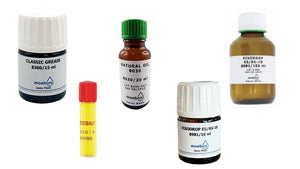
Professionals use solutions like Elma WF Pro, Elma Suprol Pro, Elma Clean, Elma Tec Clean, L&R Extra Fine, or Zenith 251NA because they are formulated for watchmaking constraints: small tolerances, various metals, old oils, technical greases, and precise cleaning cycles.
Electronic contact cleaners are reserved for quartz modules, battery contacts, and circuits. Specialized restoration solutions are used when corrosion, oxidation, or deposits exceed the capabilities of common cleaners.
Materials Encountered in Watchmaking
Stainless Steel
Withstands ultrasonics well. Marseille soap, dish soap, isopropyl alcohol, and professional solutions are suitable.
Titanium
Resistant but sensitive to scratches. Gentle cleaning recommended. Ultrasonics compatible.
Bronze, Copper, and Brass
These metals oxidize easily and can develop verdigris. Citric acid, white vinegar, or lemon juice must be used very cautiously.
Forged Carbon
Gentle cleaning advised. Avoid aggressive products and abrasive rubbing.
Ceramic
Very chemically resistant, but sensitive to shocks. Ultrasonics possible if the part is disassembled.
Gold
Stable but soft metal. Gentle cleaning, without abrasion.
Silver
Prone to tarnishing. Specific products recommended, with careful rinsing.
Rinsing and Drying
Good cleaning can be ruined by improper drying. Demineralized water prevents limescale deposits. Isopropyl alcohol helps remove water and accelerates evaporation.
The air blower removes liquids trapped in links, pushers, lugs, and threads. A warm air dryer set between 45 and 50 °C is ideal for gradual drying without excessive heat.
Common mistakes include using tap water for final rinsing, reassembling parts that are still damp, using overly aggressive products, or putting electronic components in an ultrasonic cleaner.
Cleaning and Water Resistance: Don't Forget the Gaskets
Gaskets age, harden, and lose their elasticity. After cleaning, the case back, crown, and pusher gaskets must be inspected.
Silicone grease helps preserve their flexibility and improve their placement. On a diving watch, a gasket replacement must always be followed by a water resistance test.
Concrete Examples of Restoration
An old watch found in an attic often shows solidified oils, oxidation, and sometimes rust. It starts with disassembling, observing, then gradually cleaning.
A watch that has suffered water infiltration must be opened quickly. Every day of waiting increases the risk of internal corrosion.
A quartz watch with battery leakage requires meticulous manual cleaning, without ultrasonics on the electronic module.
A very dirty steel bracelet often regains its flexibility after an ultrasonic bath, followed by rinsing with demineralized water and complete drying.
A diving watch requires special attention: case cleaning, gasket replacement, silicone grease, and water resistance testing.
Conclusion
In watchmaking, the best cleaning is not the most aggressive. The best results are often obtained by starting with the gentlest solutions, observing the reaction of the materials, and then gradually increasing the power of the treatment only when necessary.
Whether it's a dirty steel bracelet, a quartz watch affected by battery leakage, an old movement with solidified oils, or a diving watch needing service, the method counts as much as the product.
Cleaning a watch means preserving its mechanics, its materials, its history, and its reliability.