








En savoir plus Réduire le texte
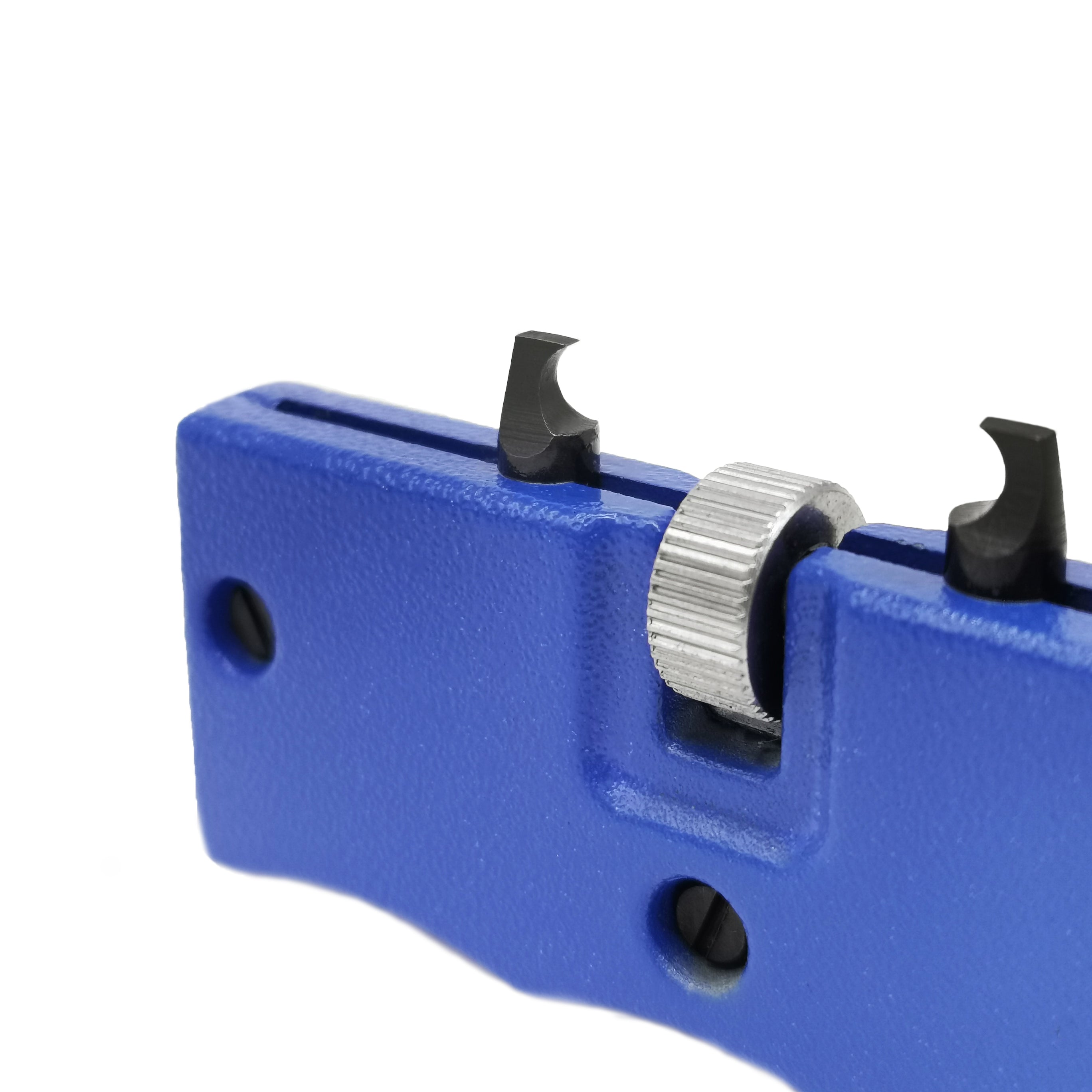
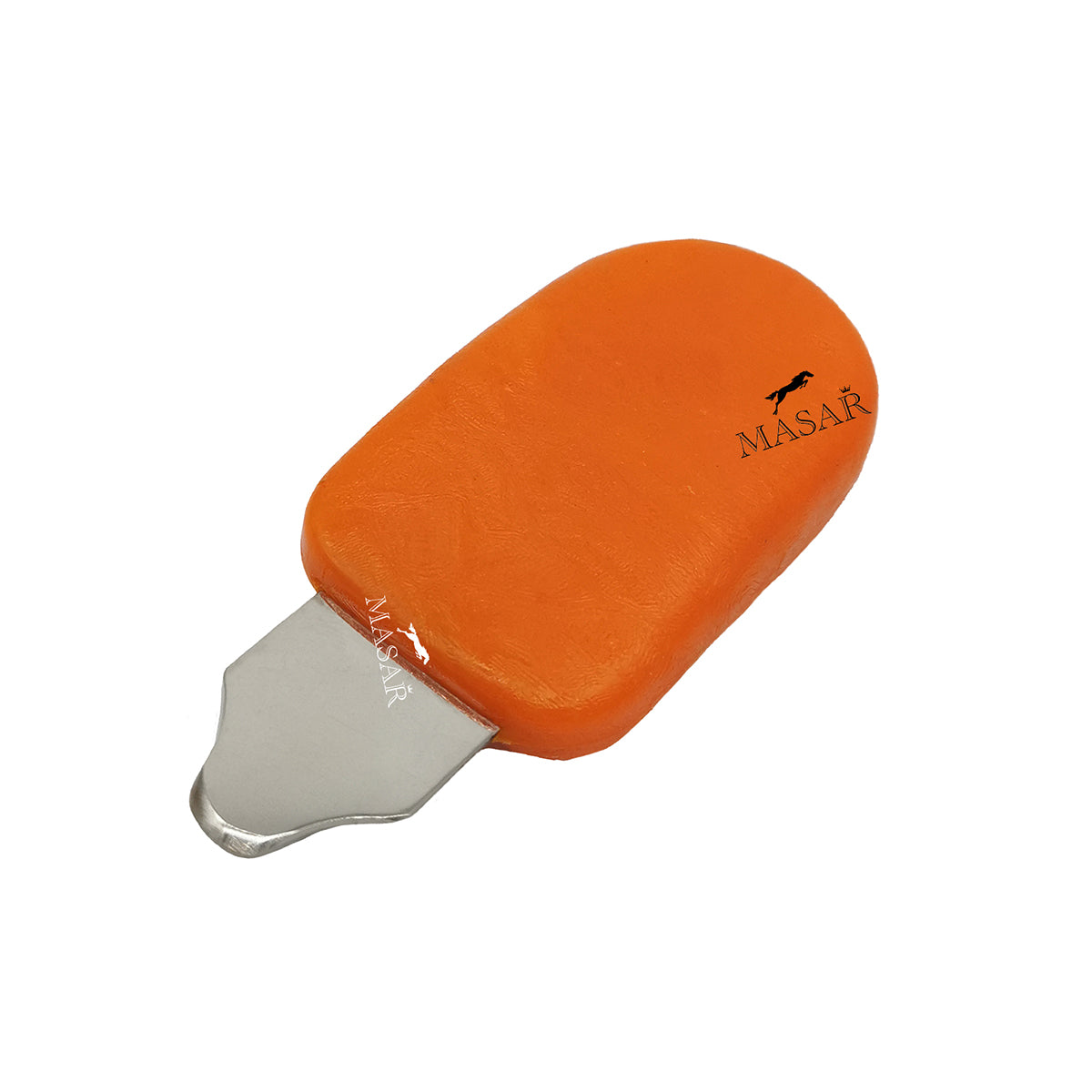
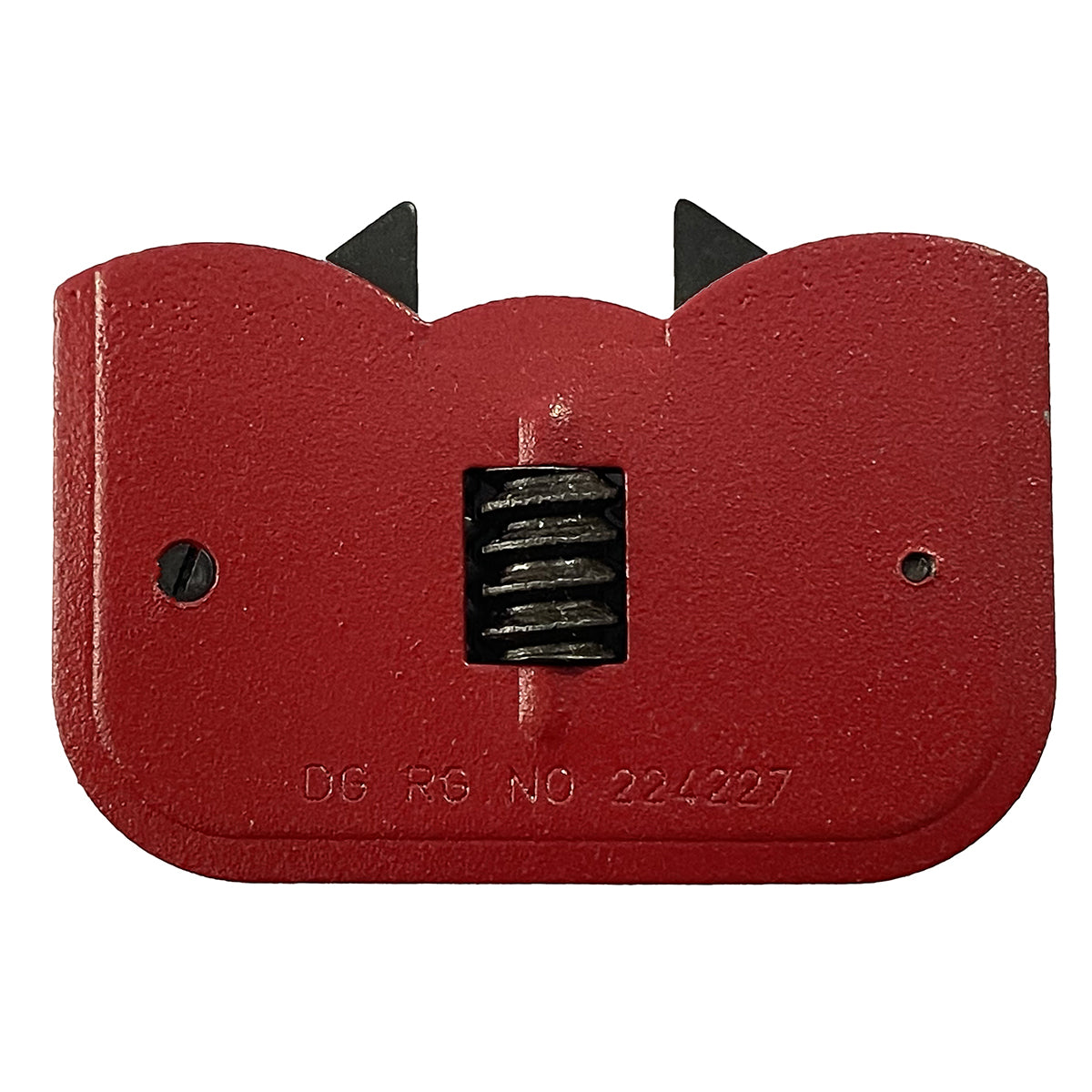
Discover our selection of tools for opening watches and changing batteries , designed for professional watchmakers as well as for careful individuals. Whether you need to open a clip-on back, a screw-on back, or a pressure back, our tools guarantee precise, safe work without risk to the case or movement.
Tools for opening a watch and changing batteries
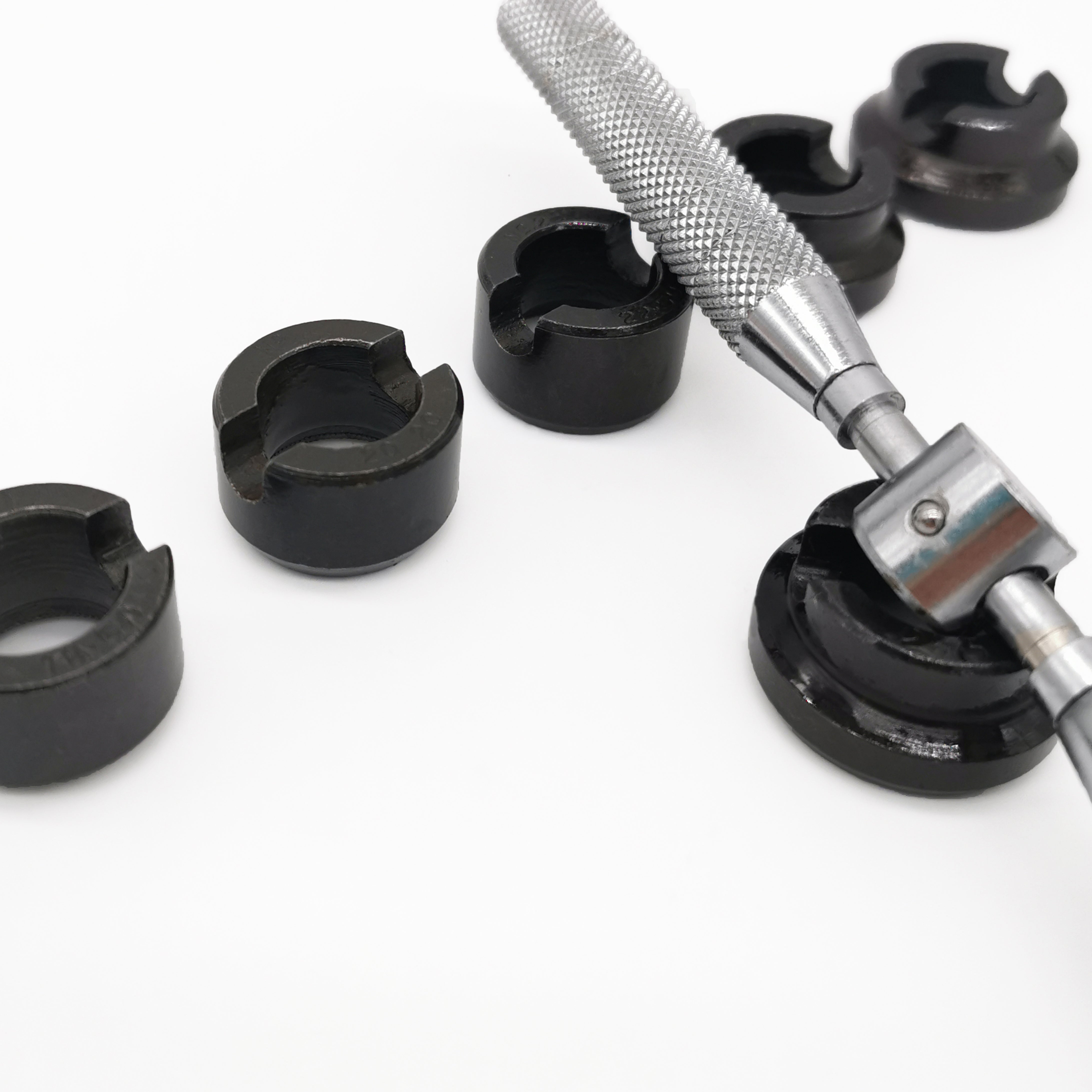
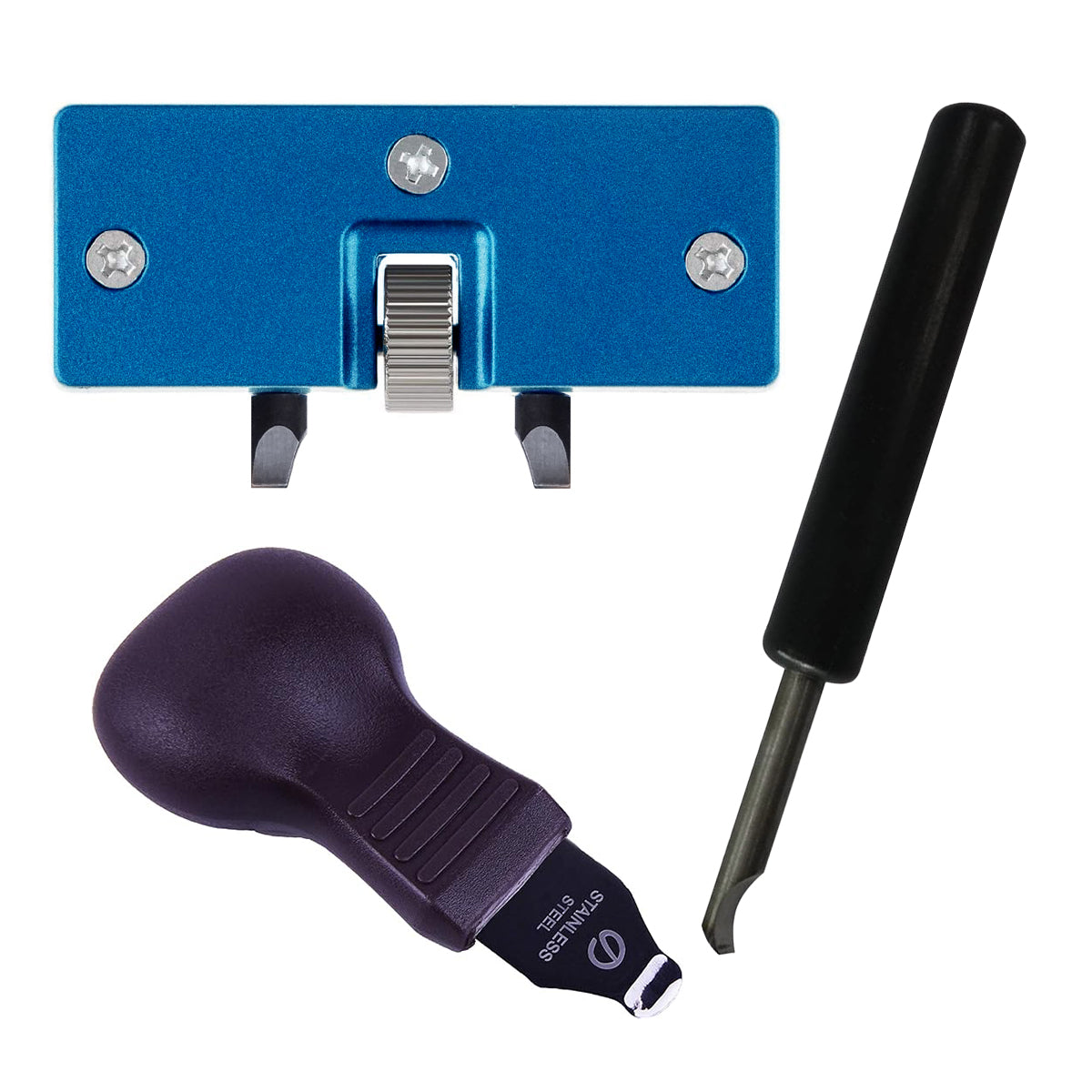
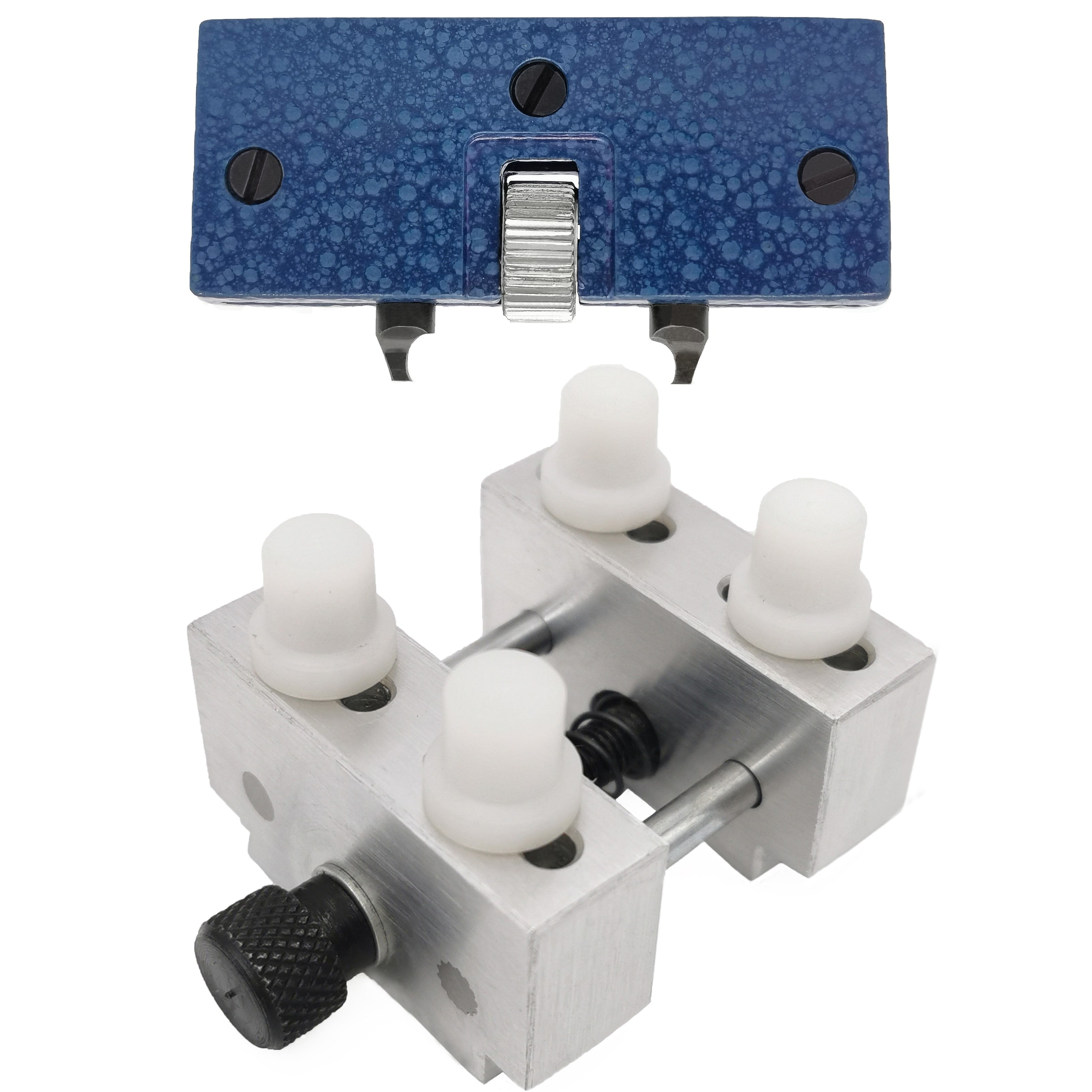
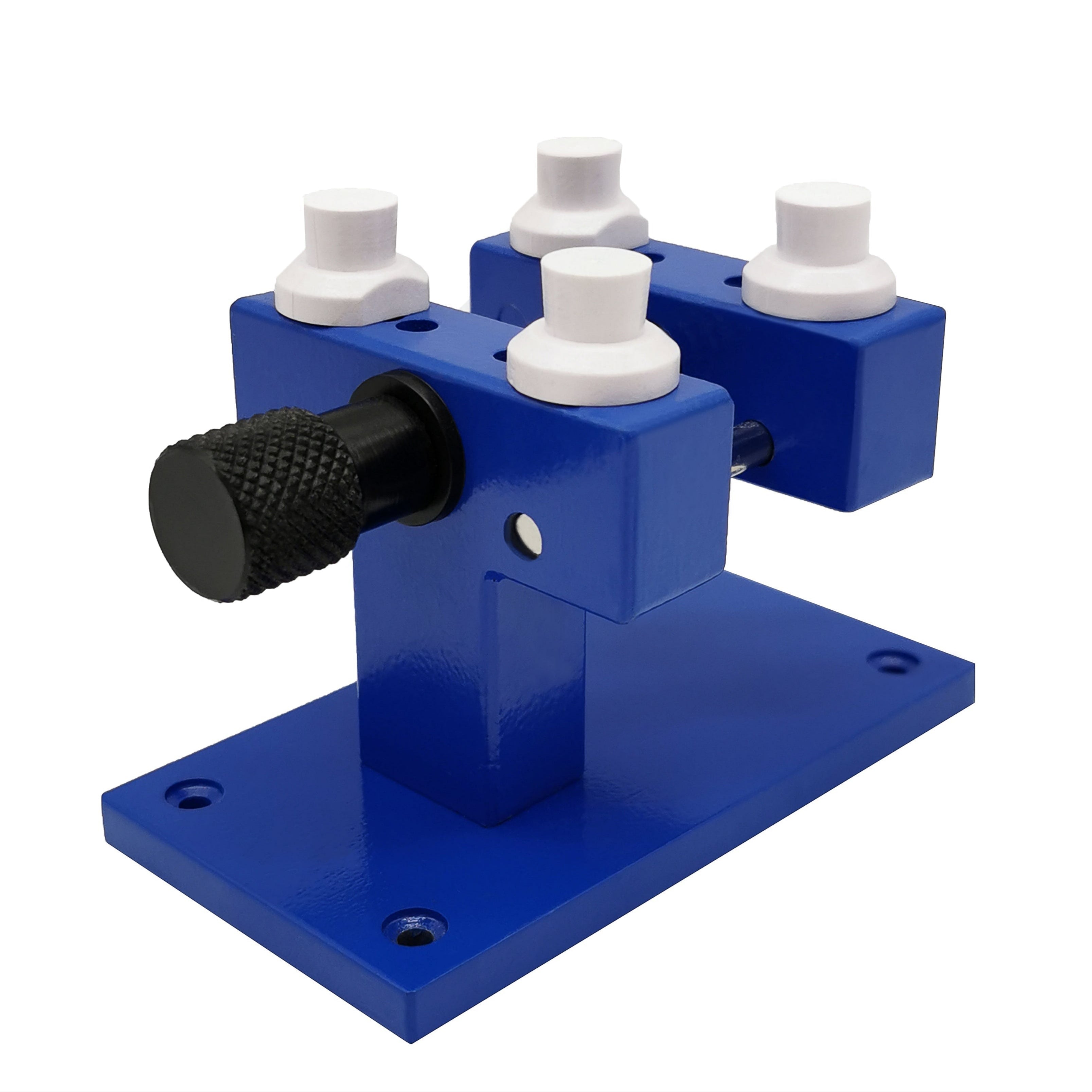
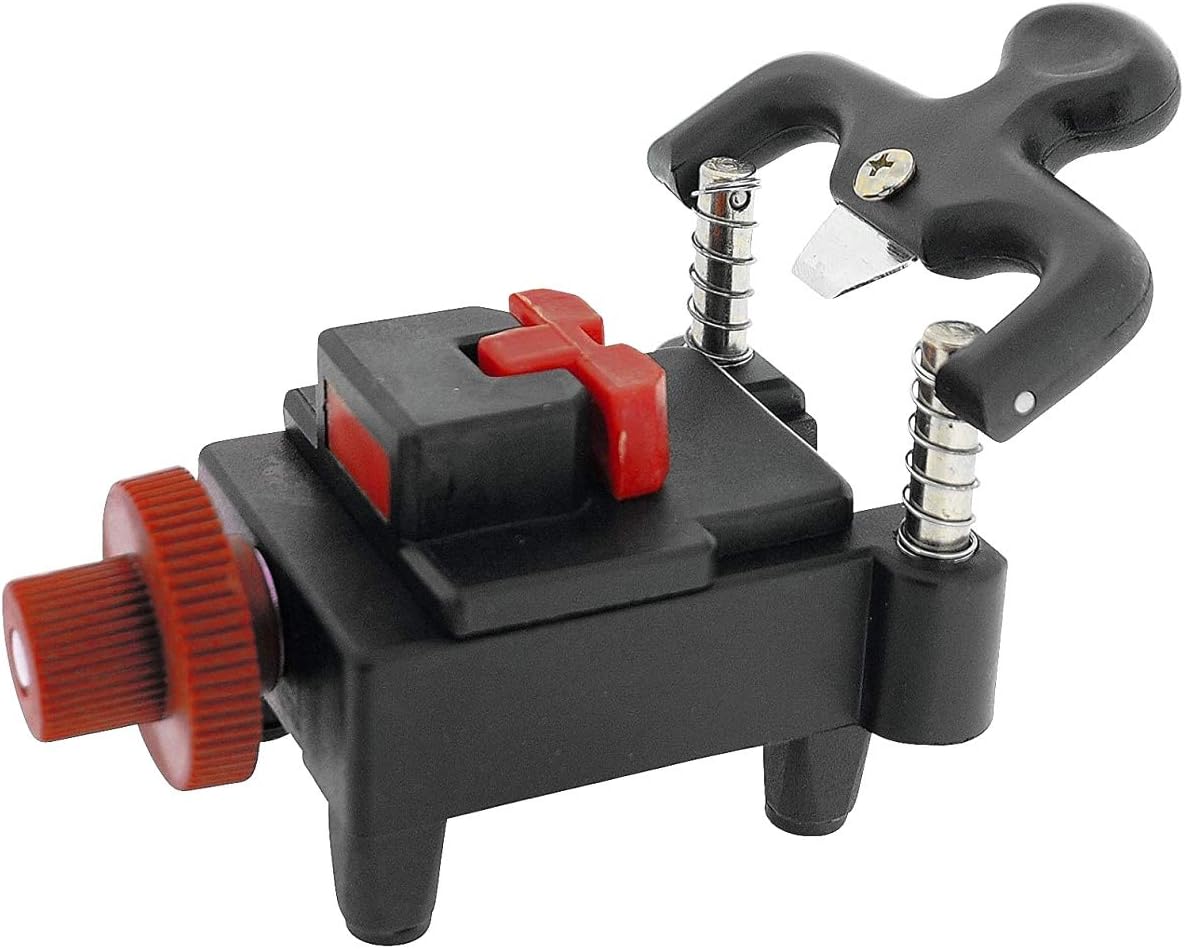
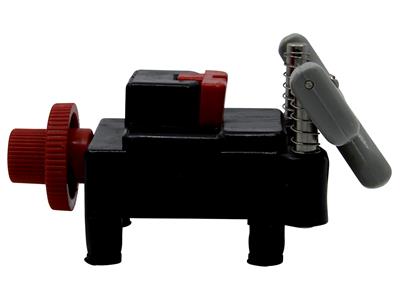
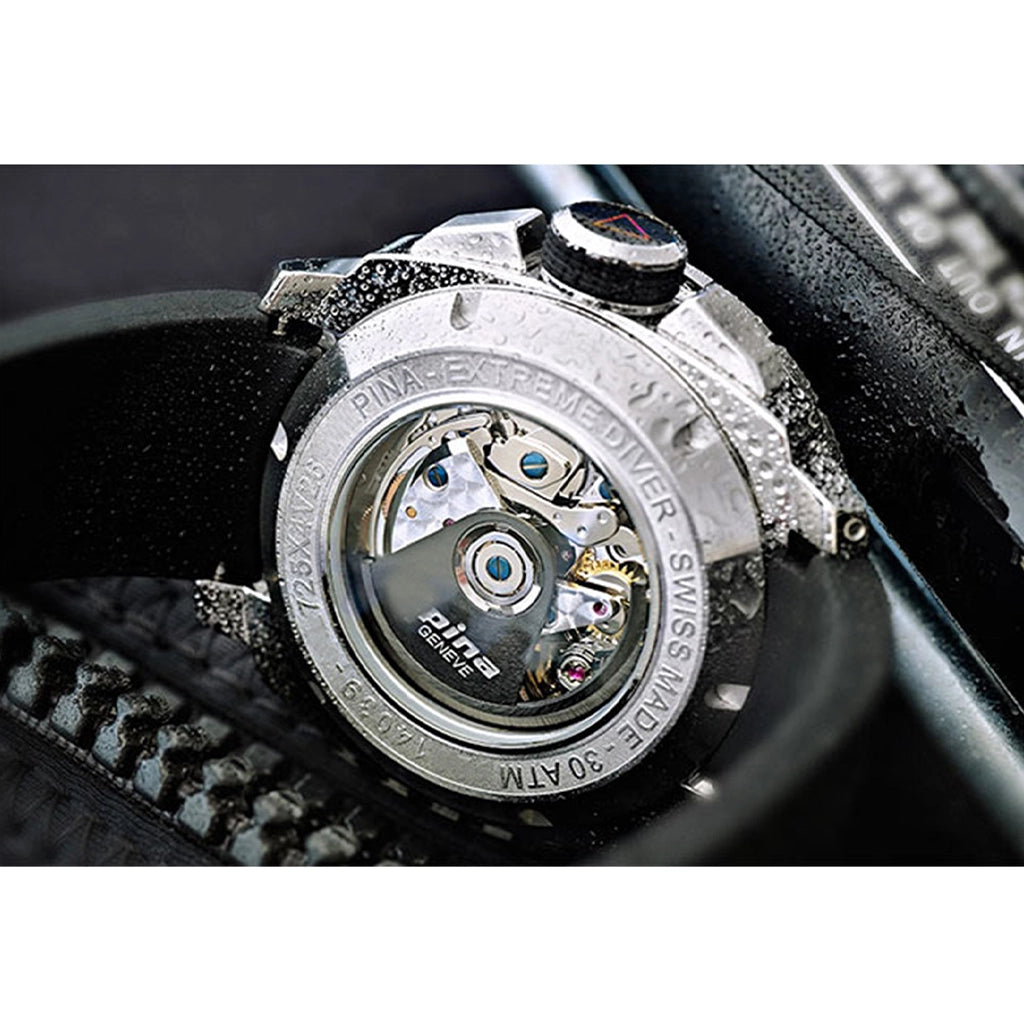
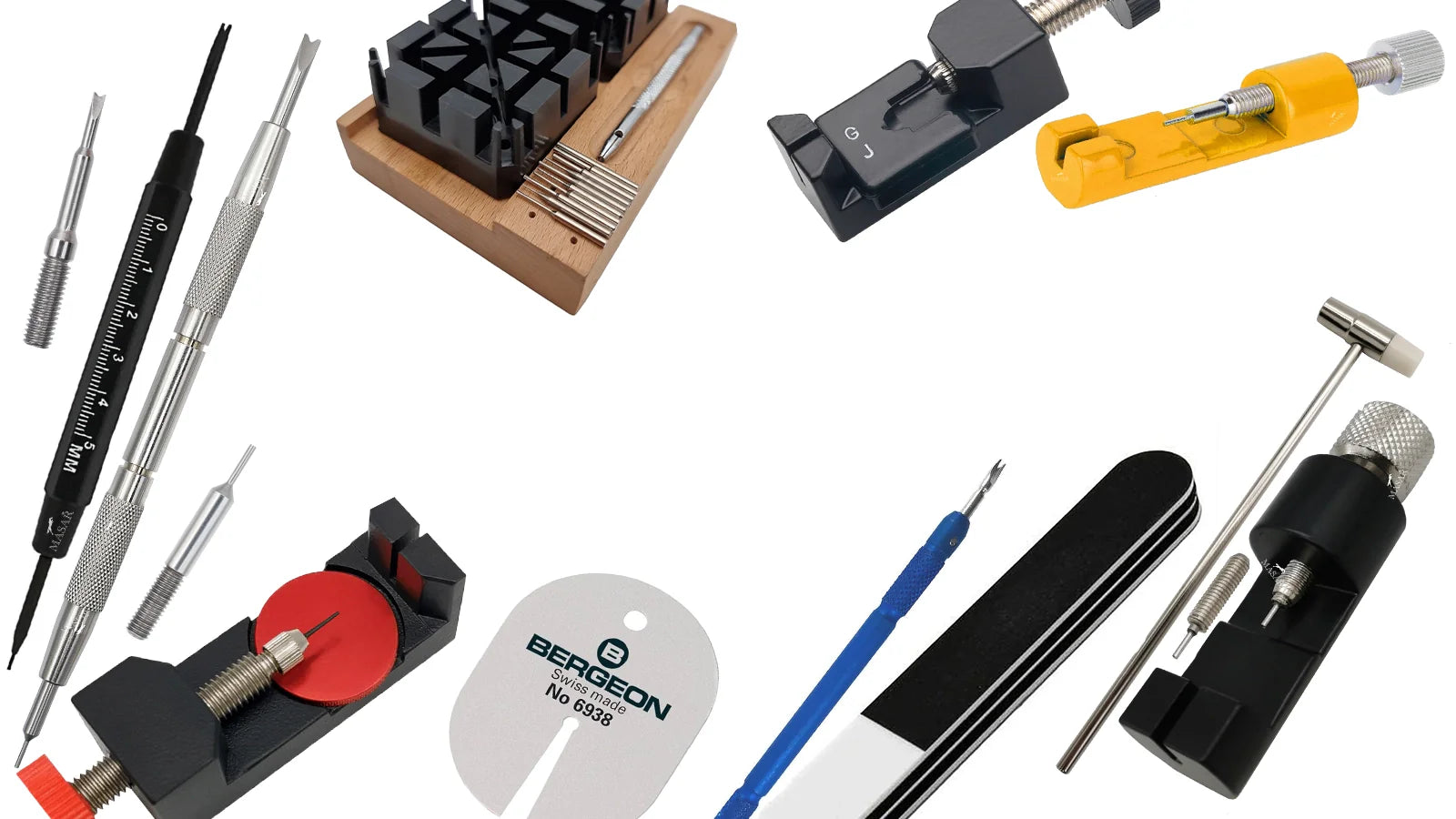
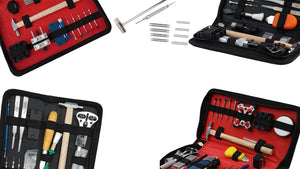
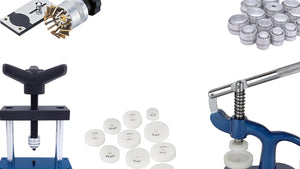
A complete kit for opening a watch and replacing a battery includes specific tools: watch openers, wrenches and sockets for screw-on backs, case-closing presses, precision screwdrivers, supports and pliers. These tools allow access to the battery compartment without damaging the watch or compromising its water resistance.
Essential elements
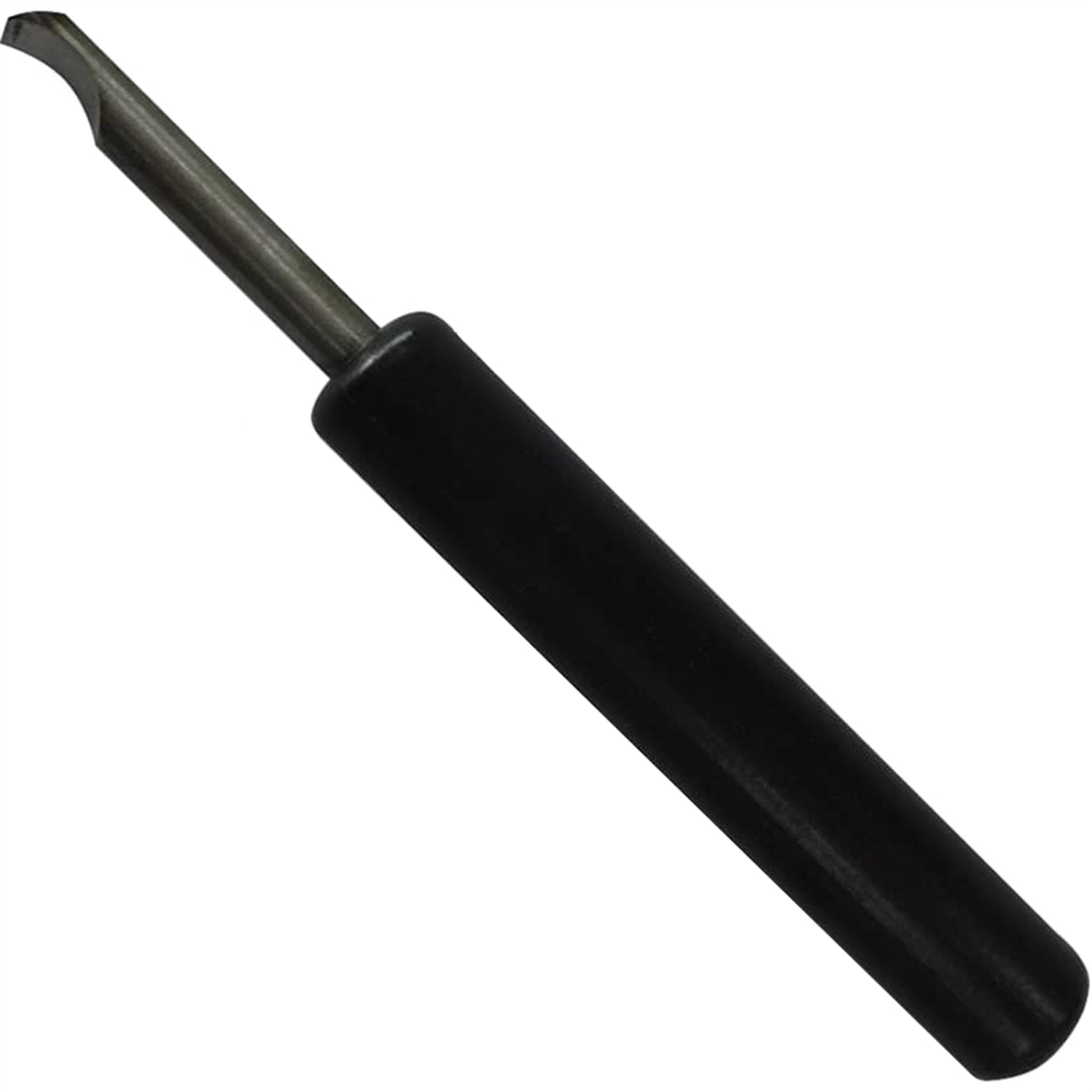
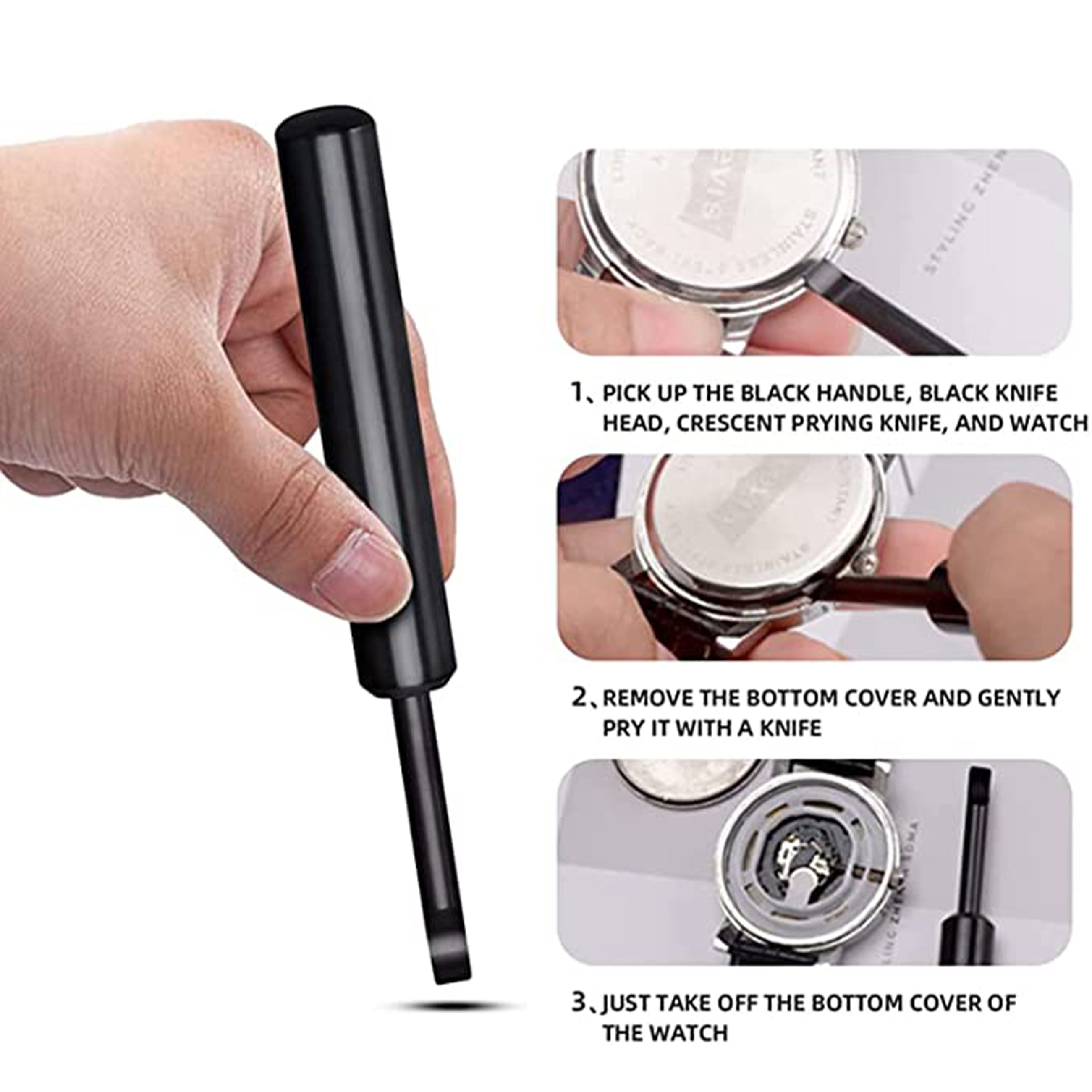
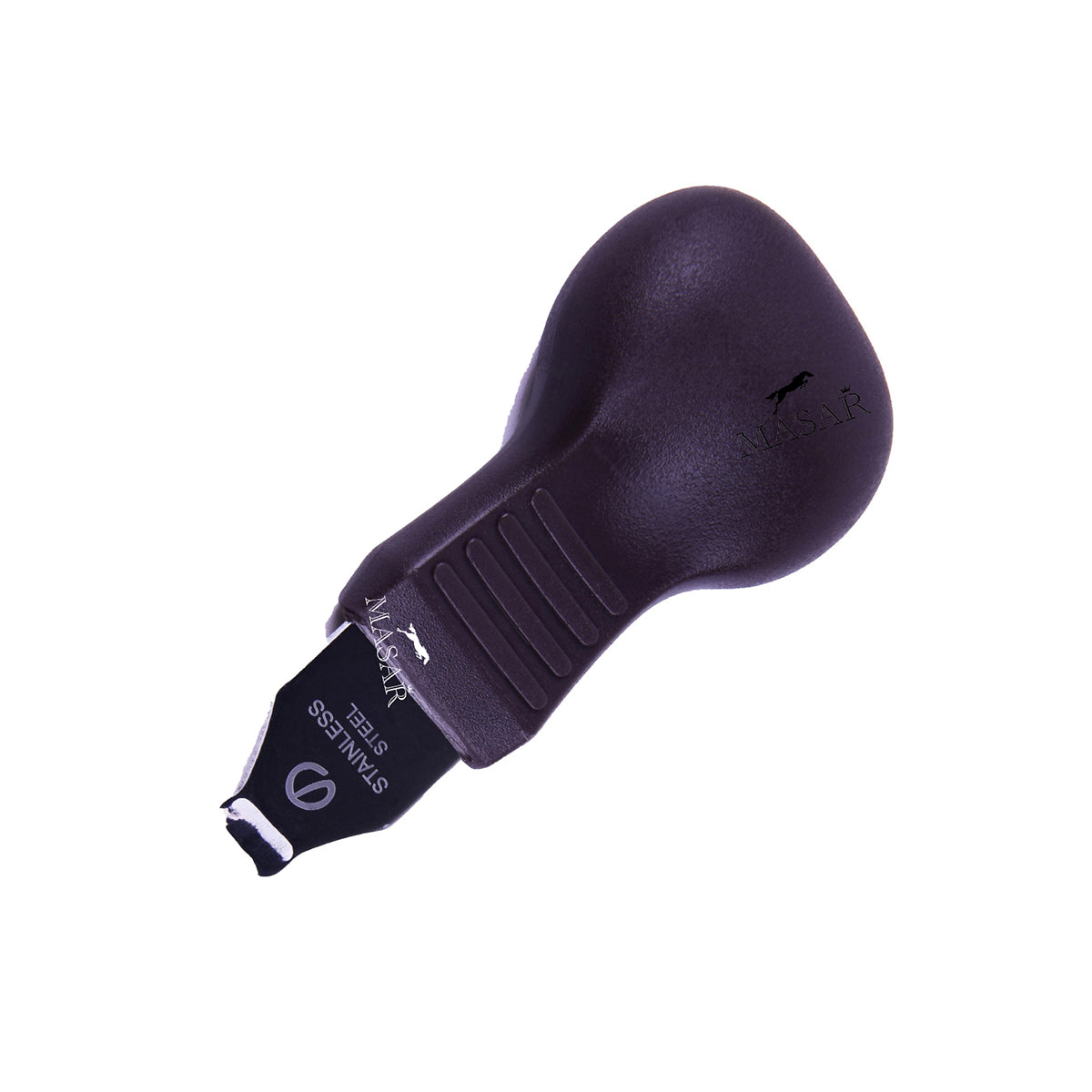
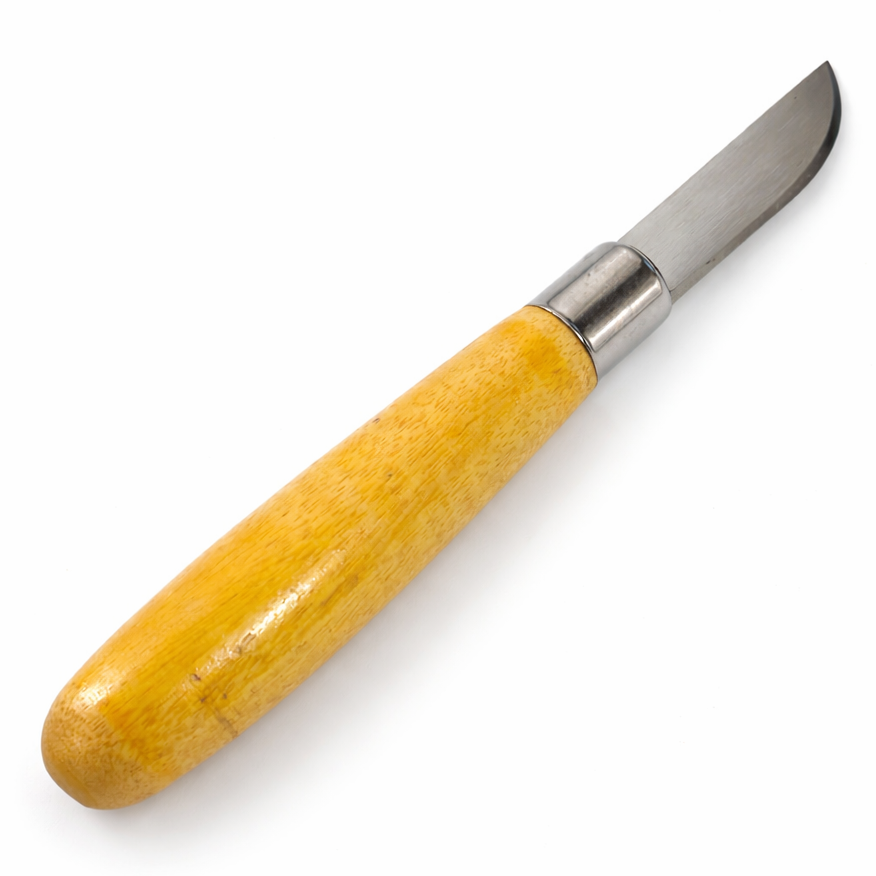
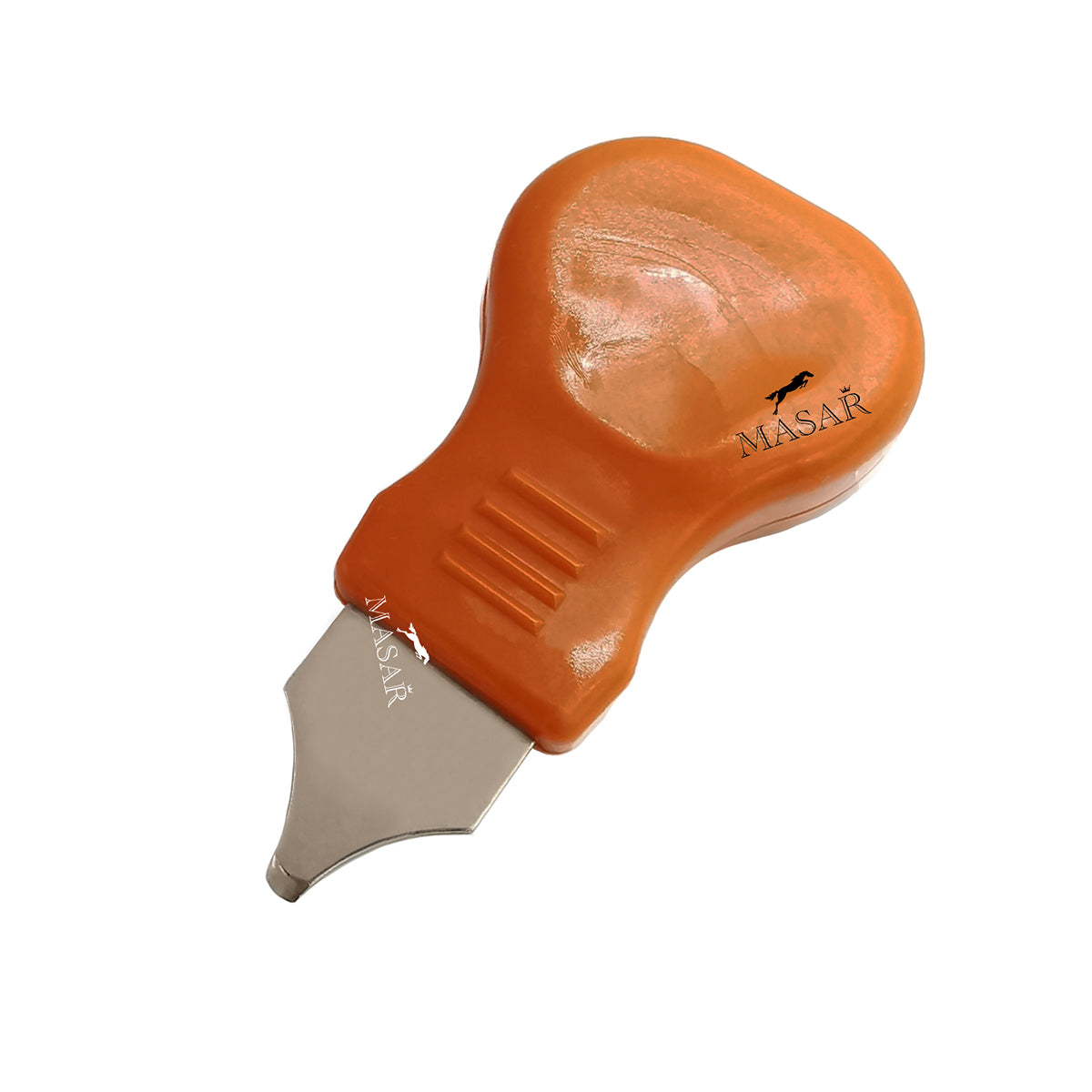
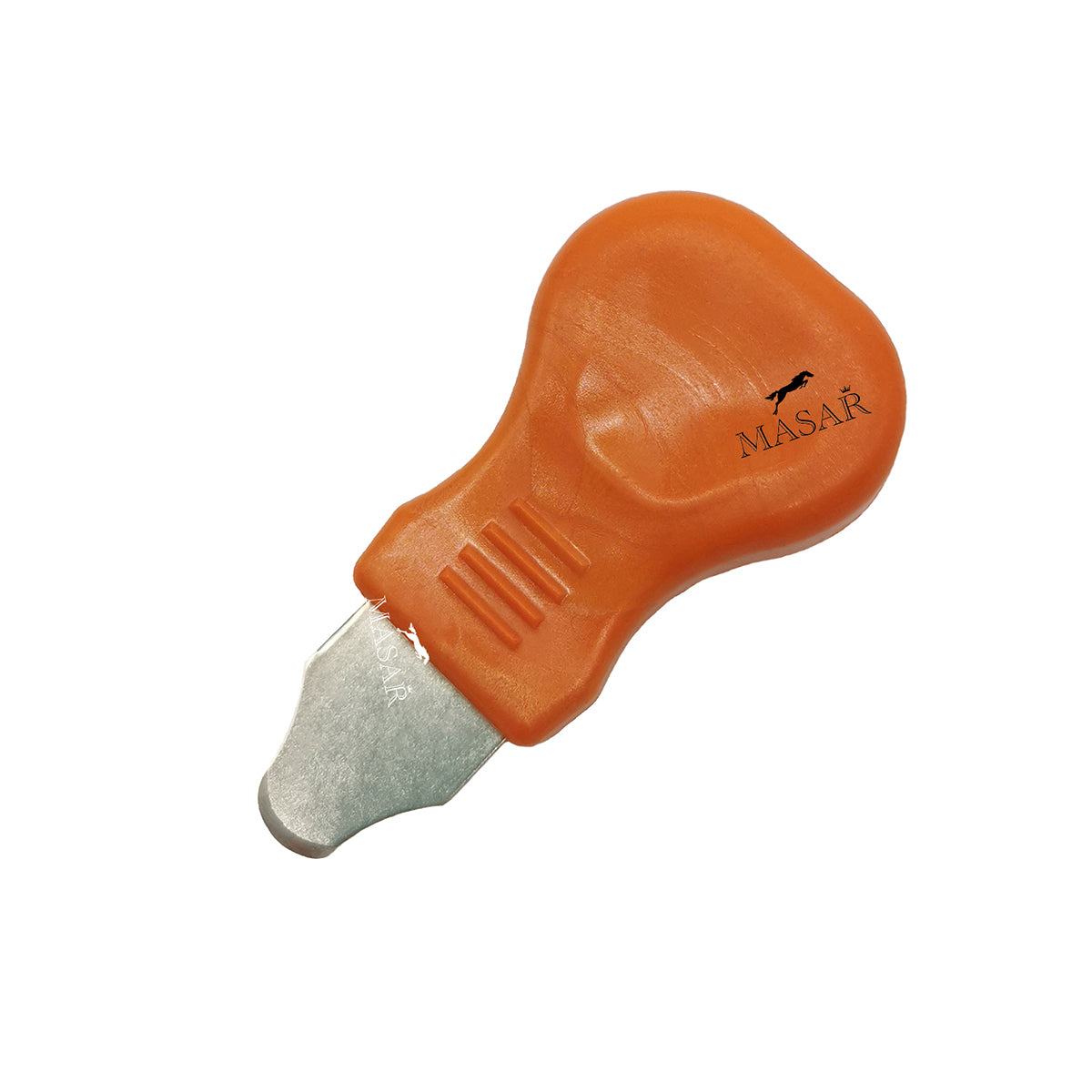
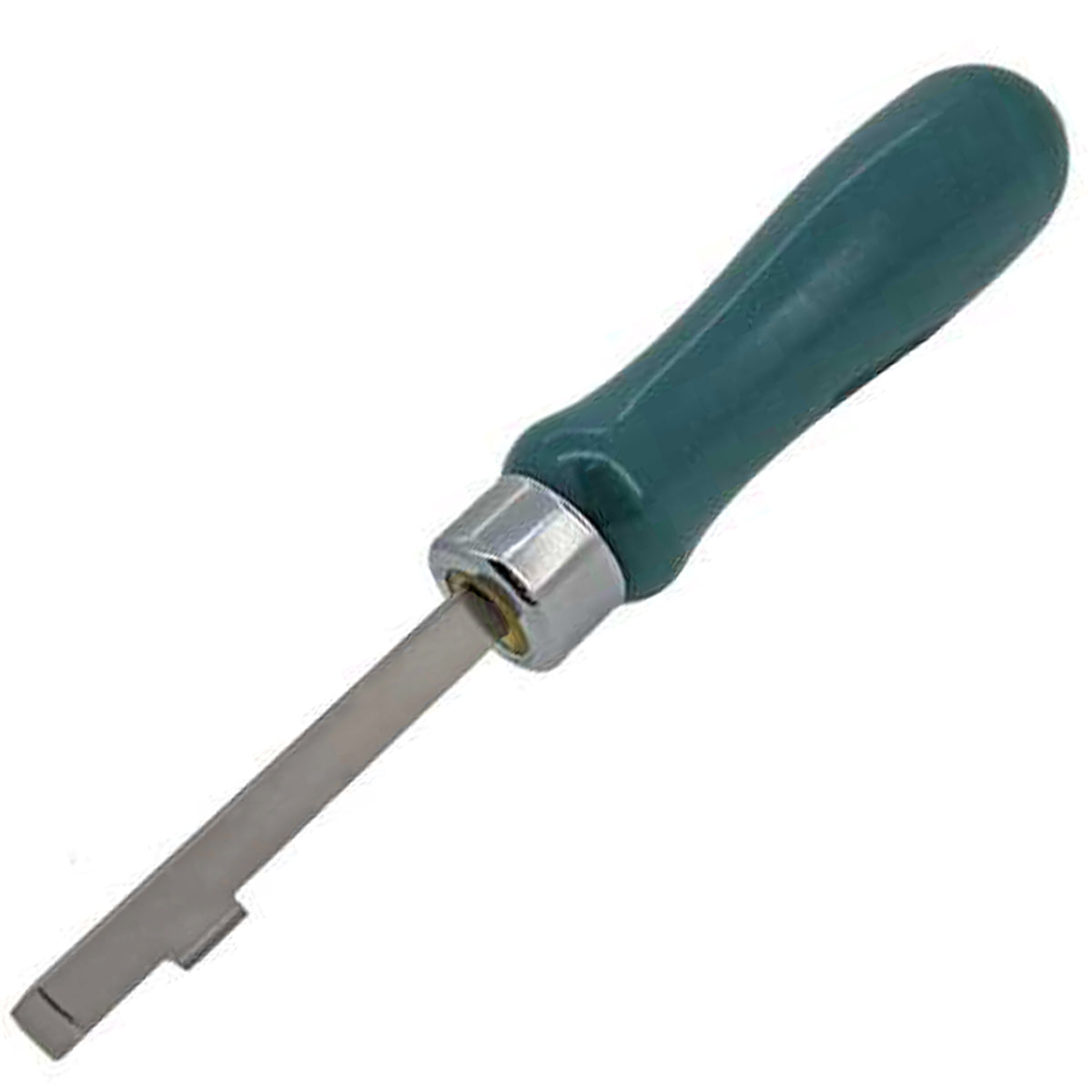
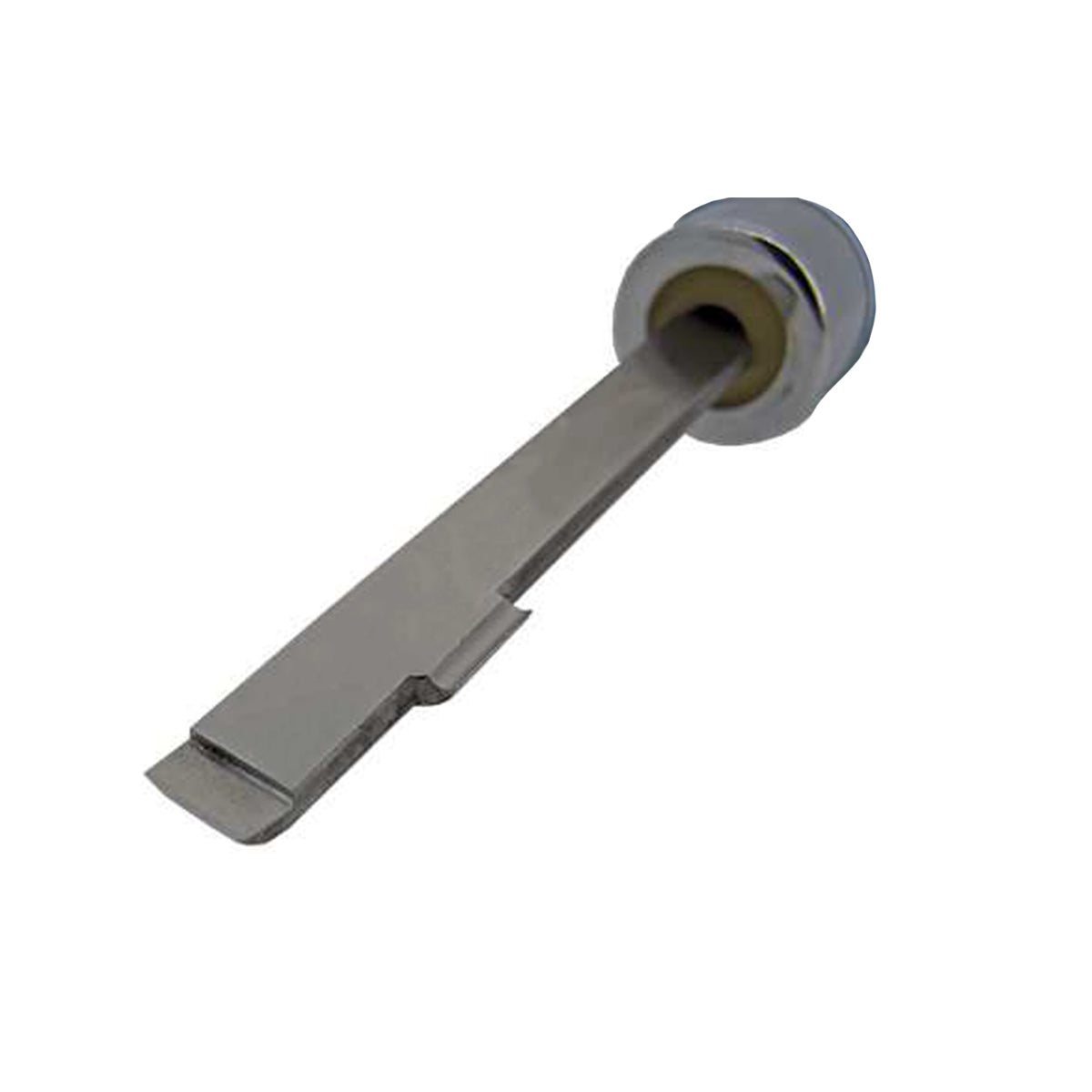
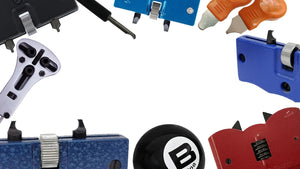
- Watch opener knife : for opening clip-on backs and snap-on covers.
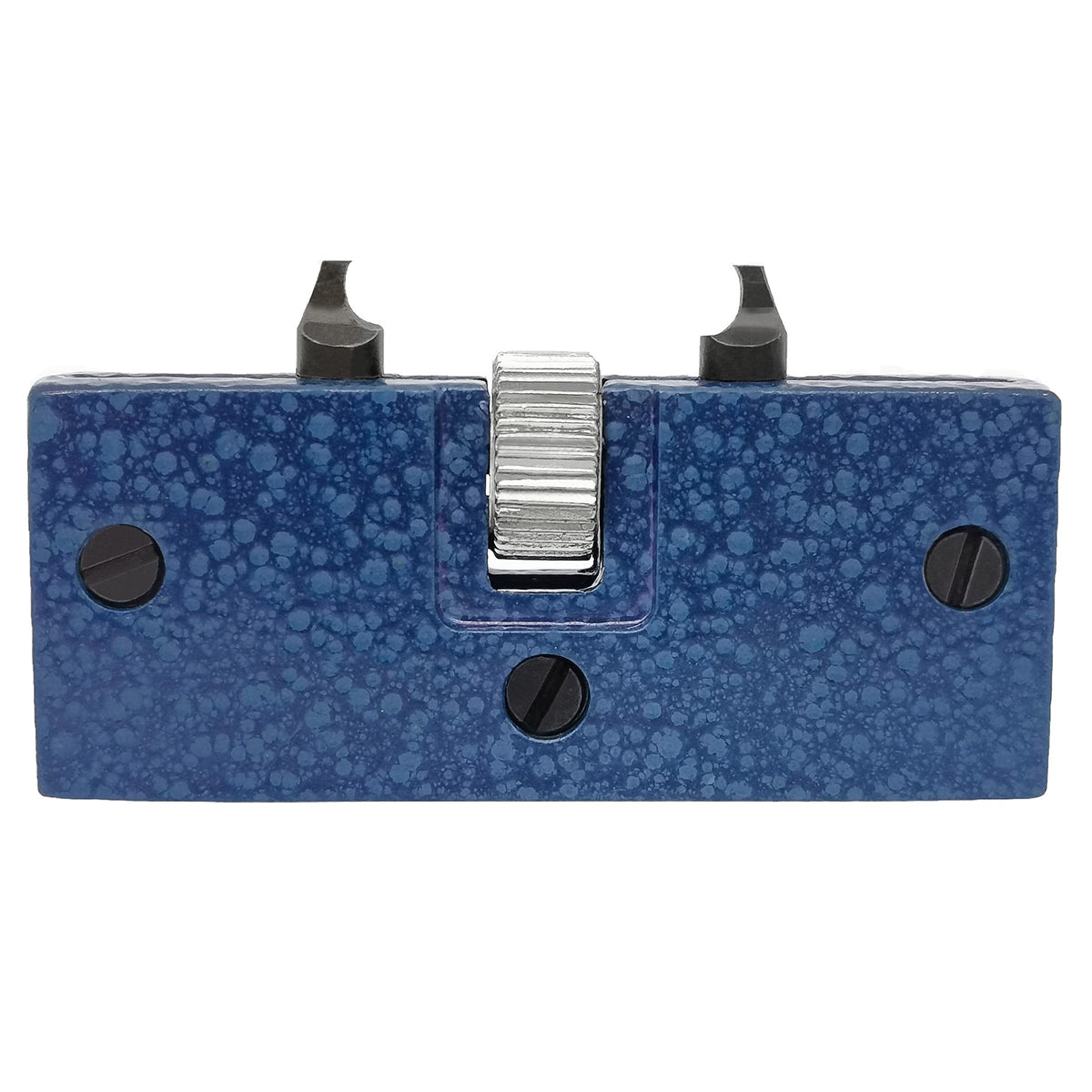
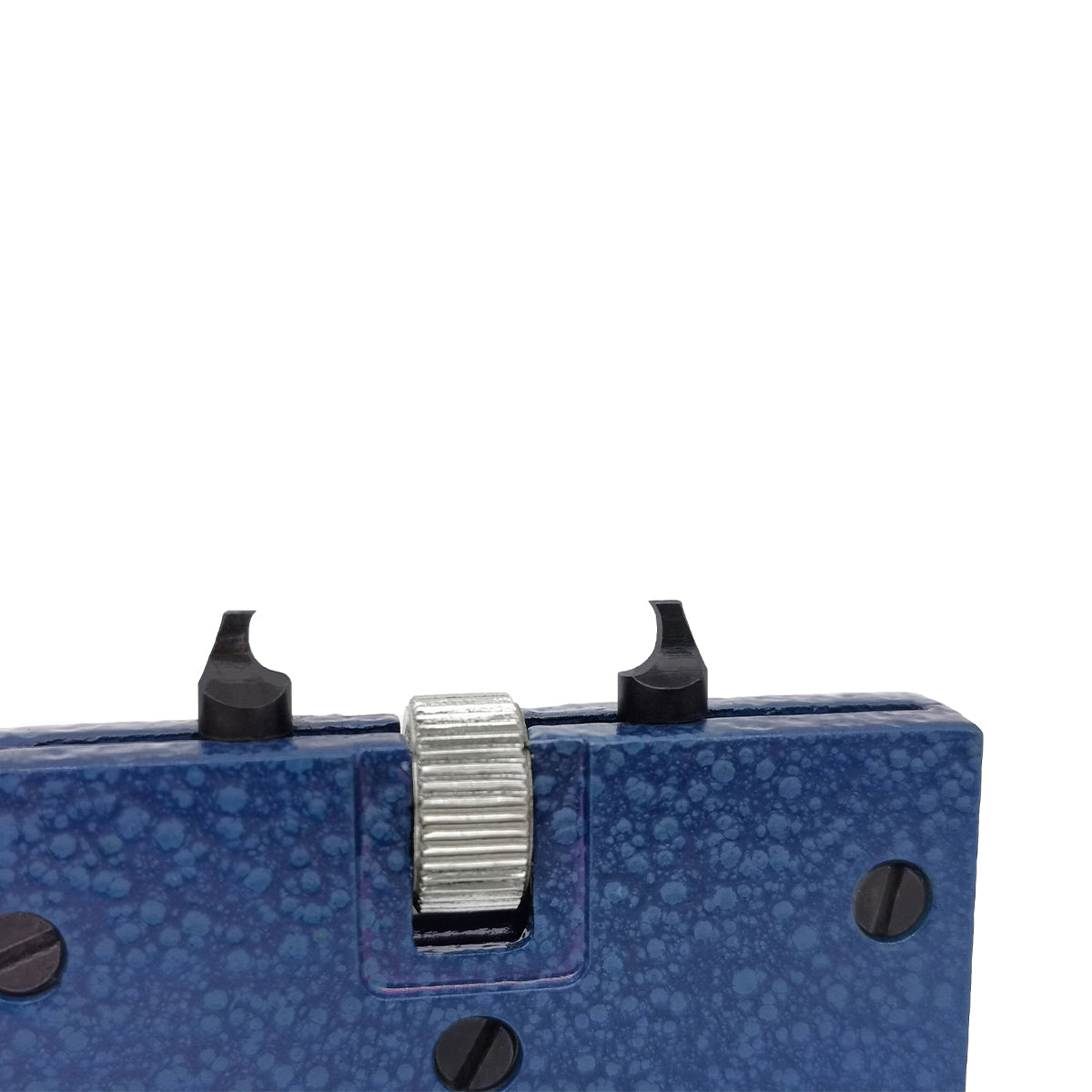
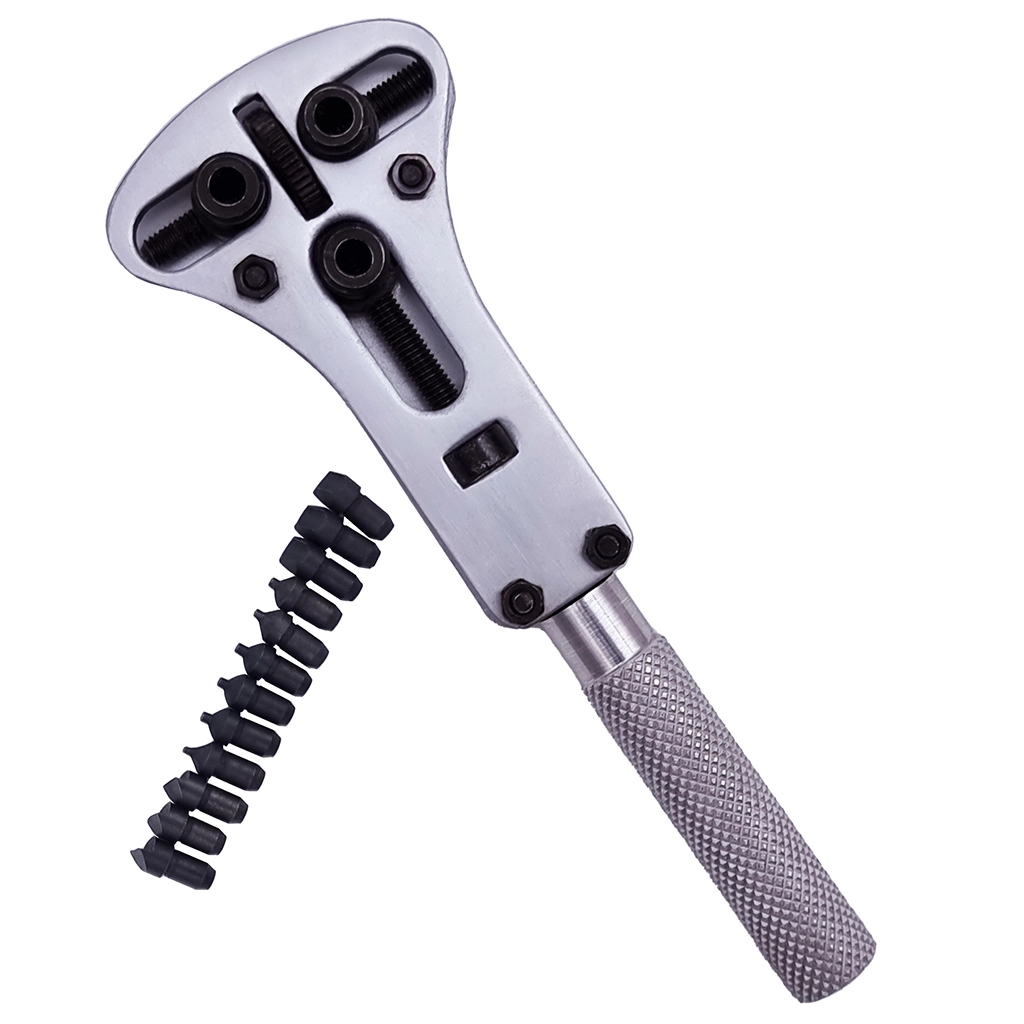
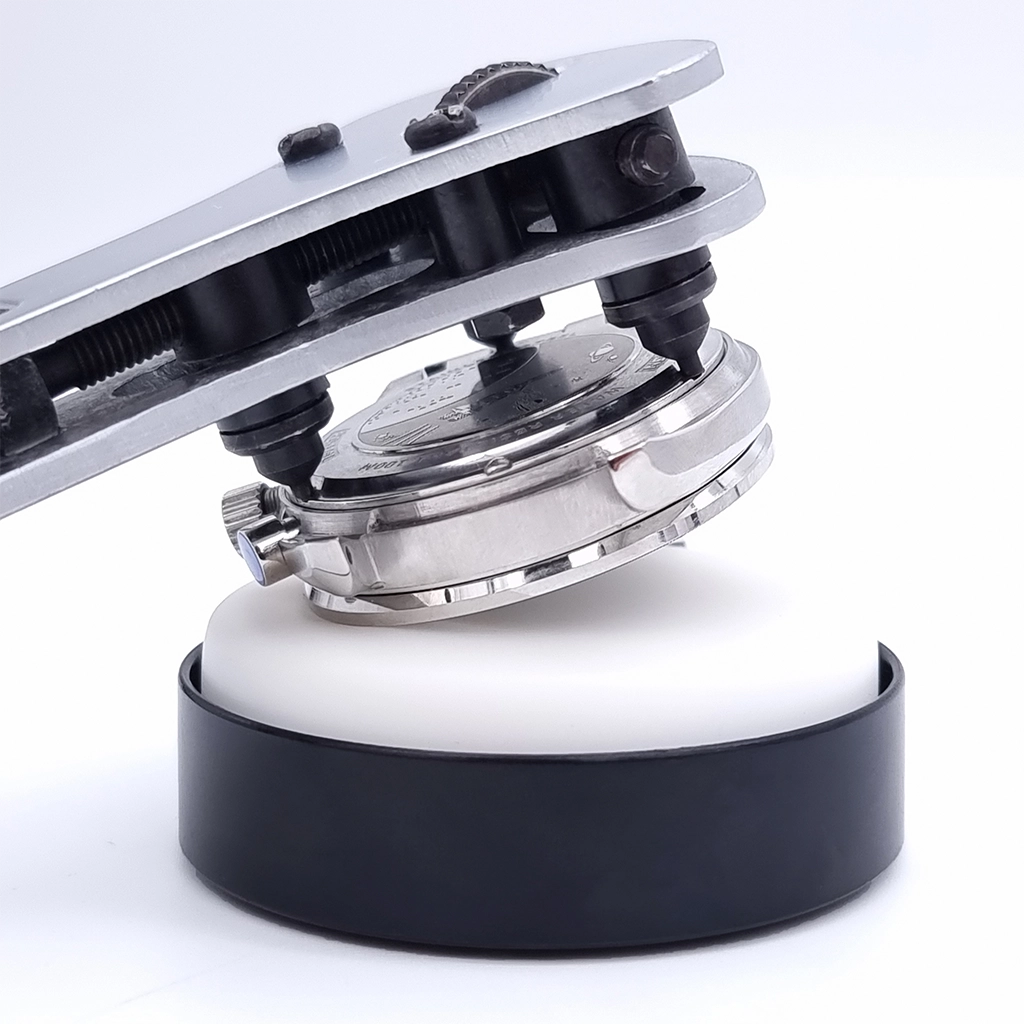
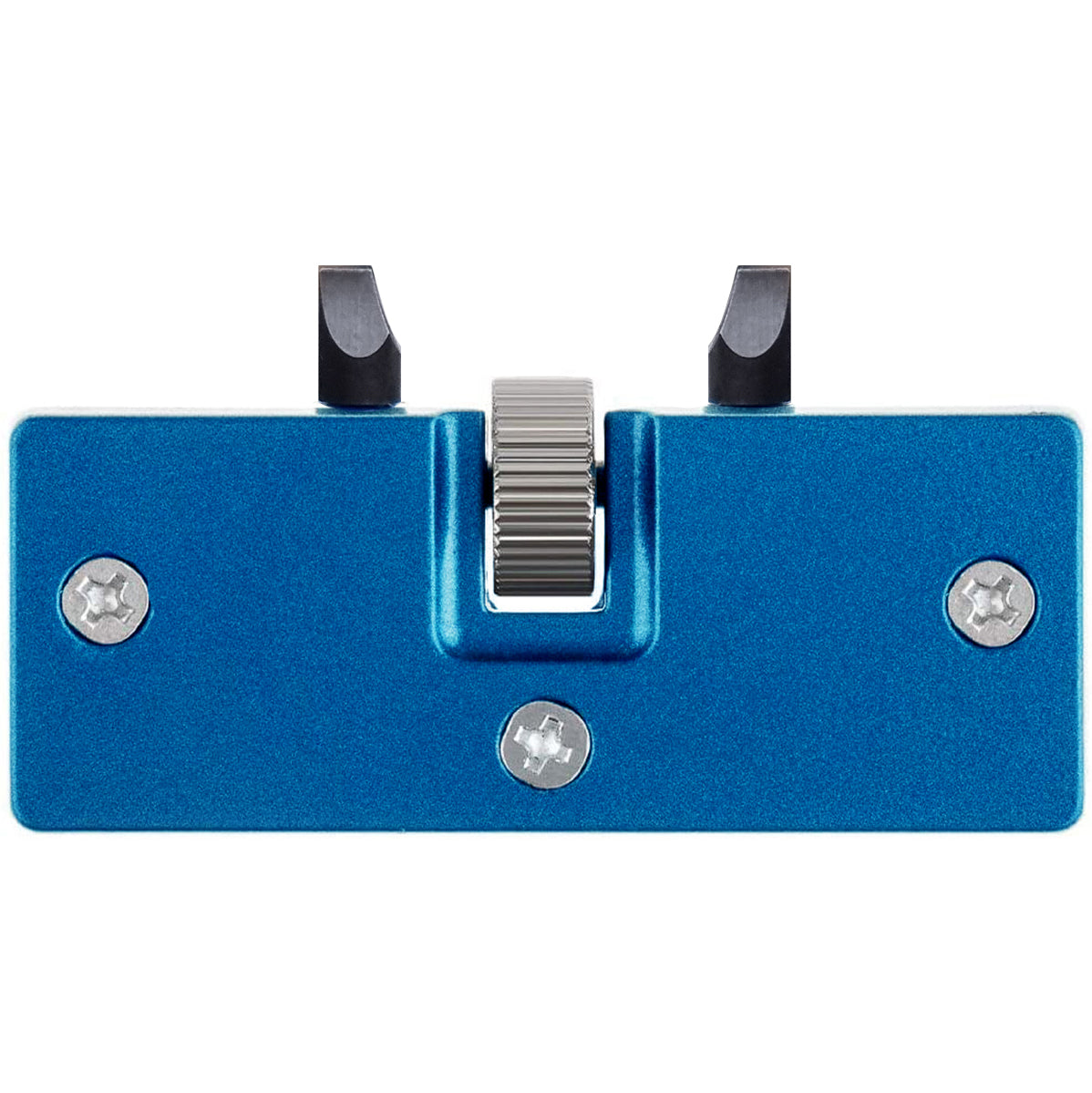
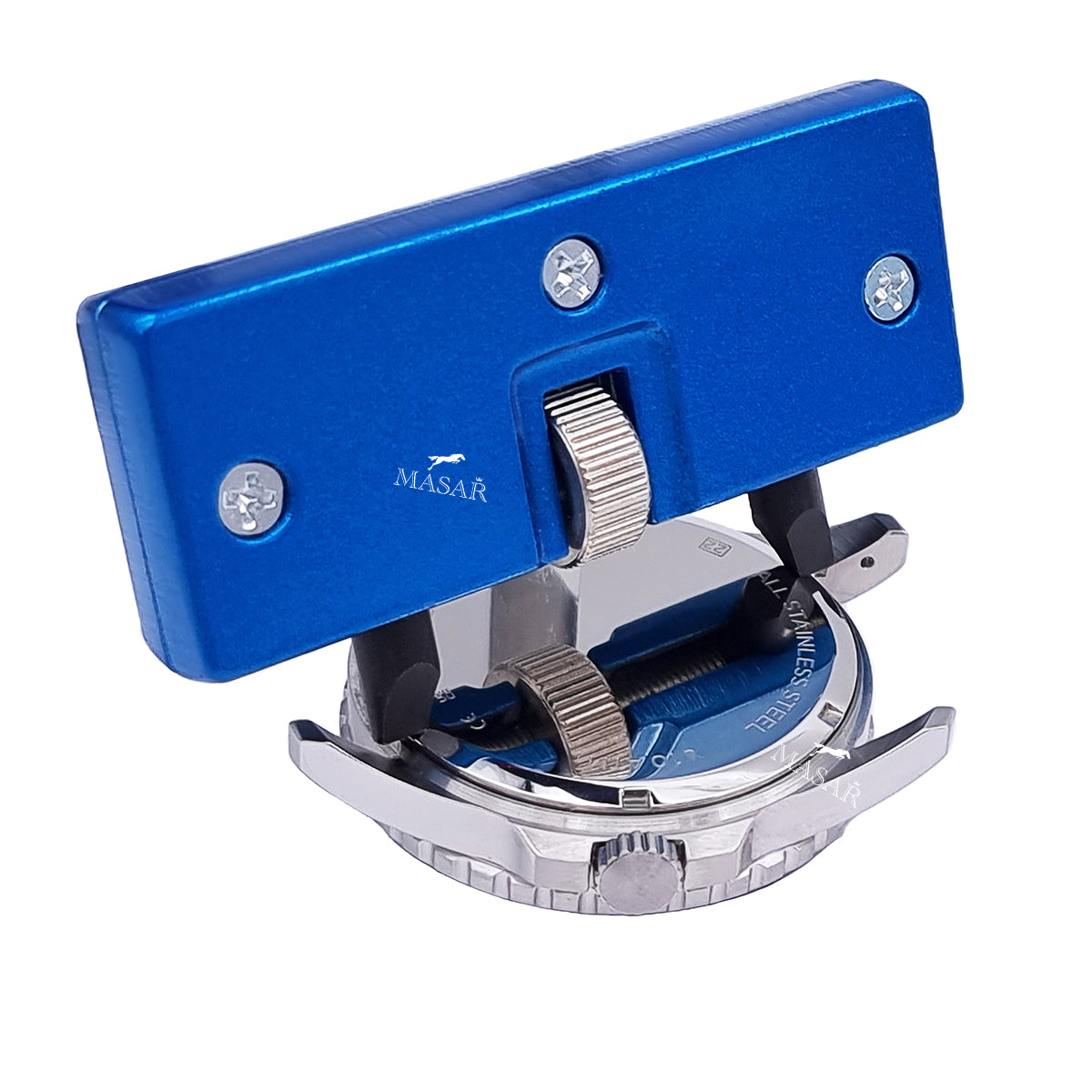
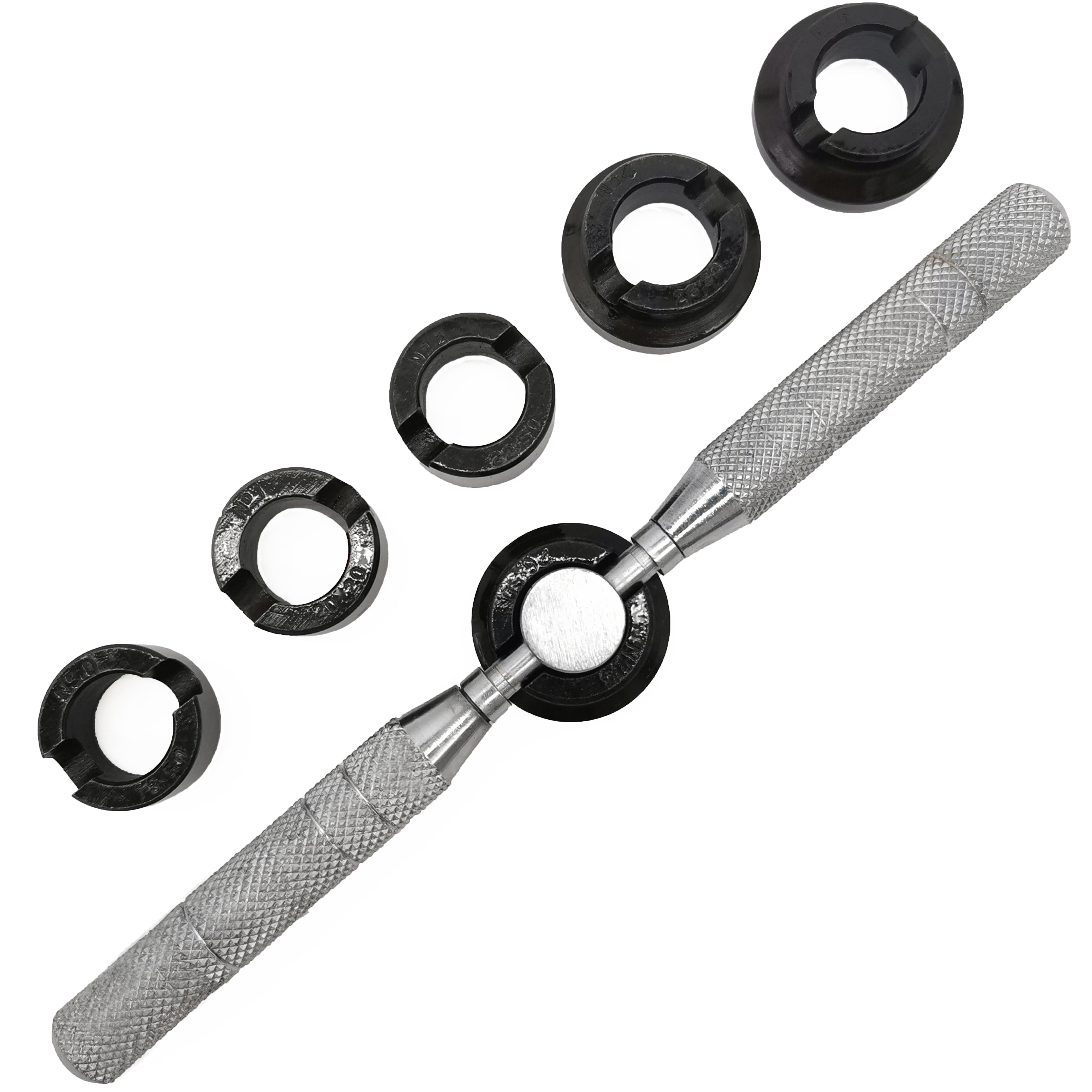
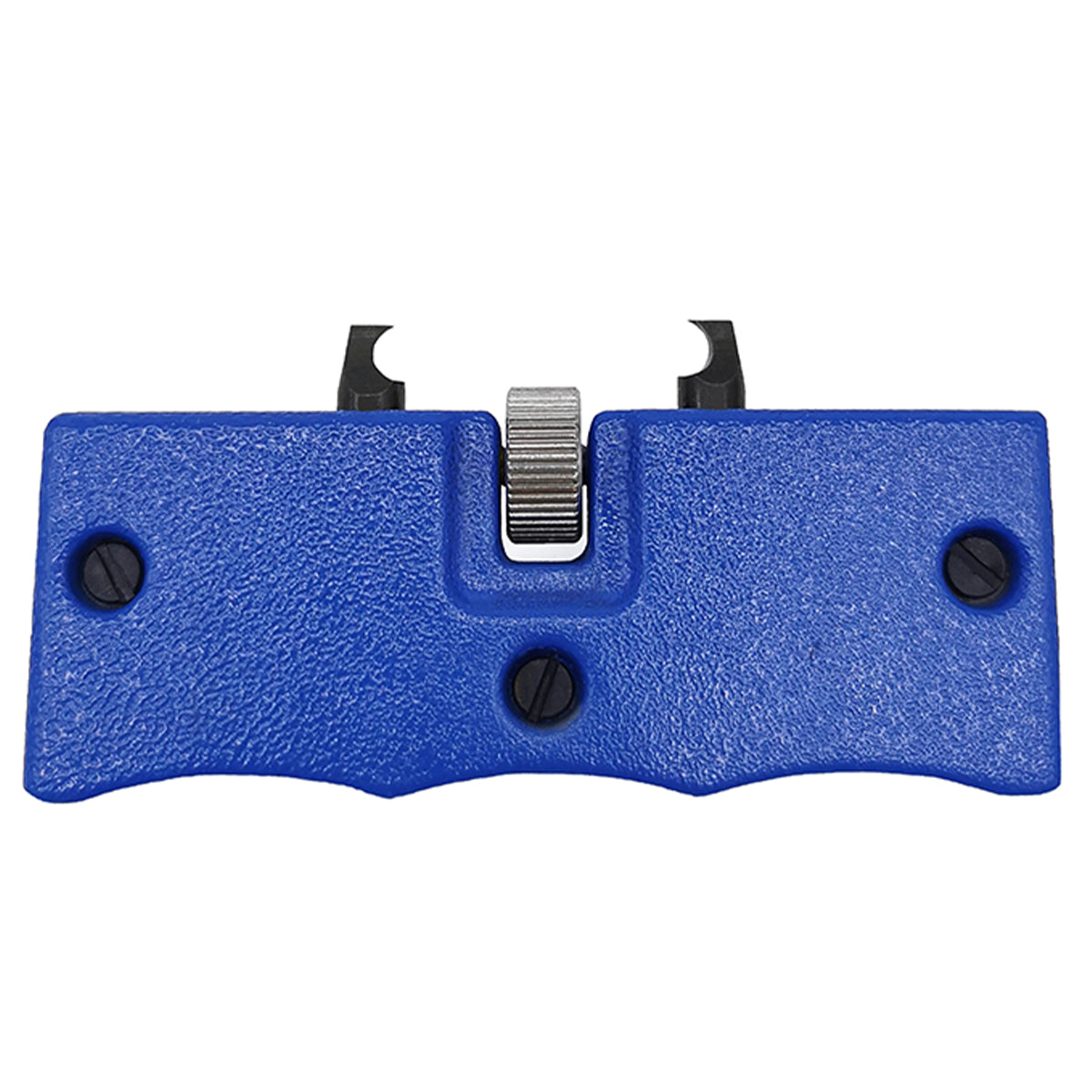
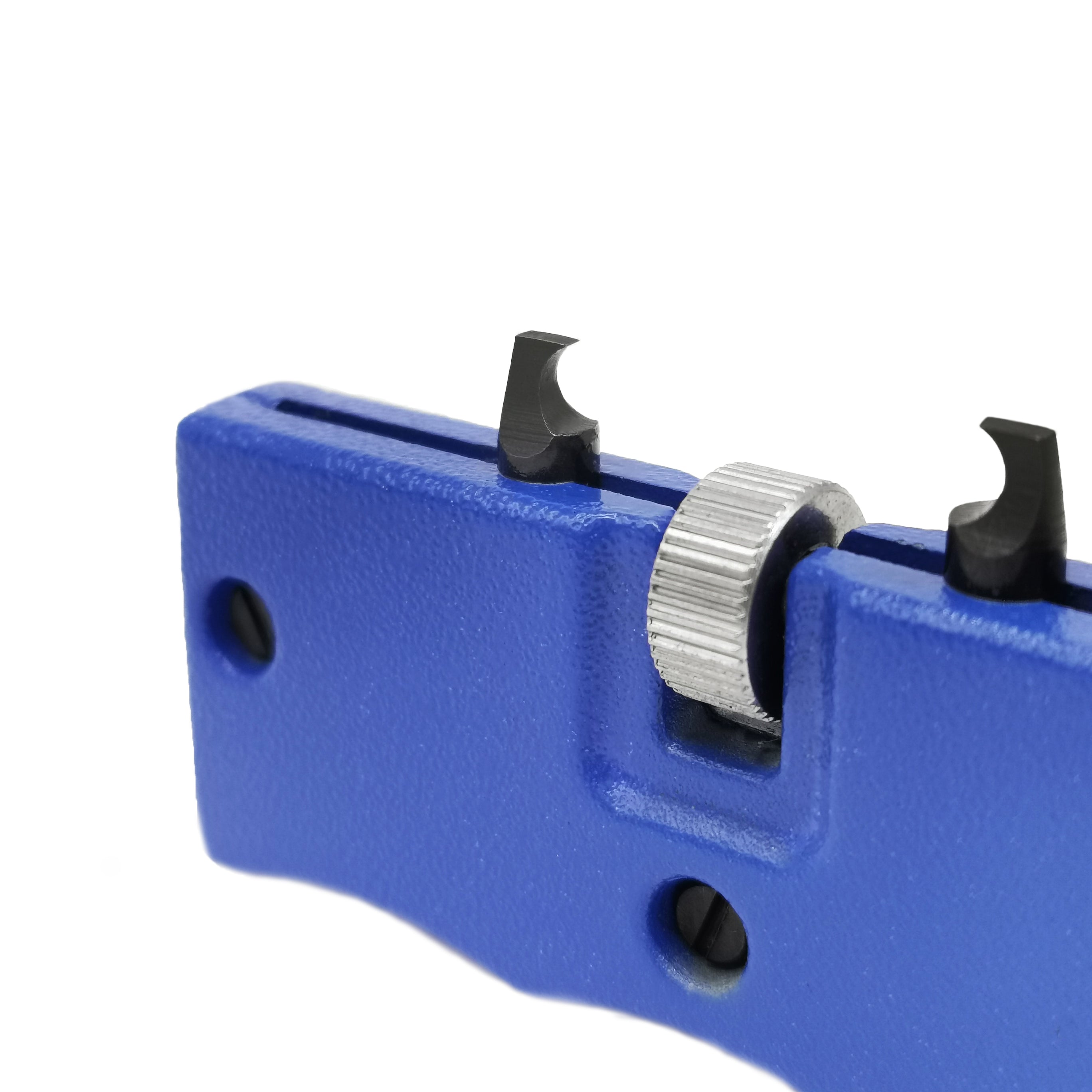
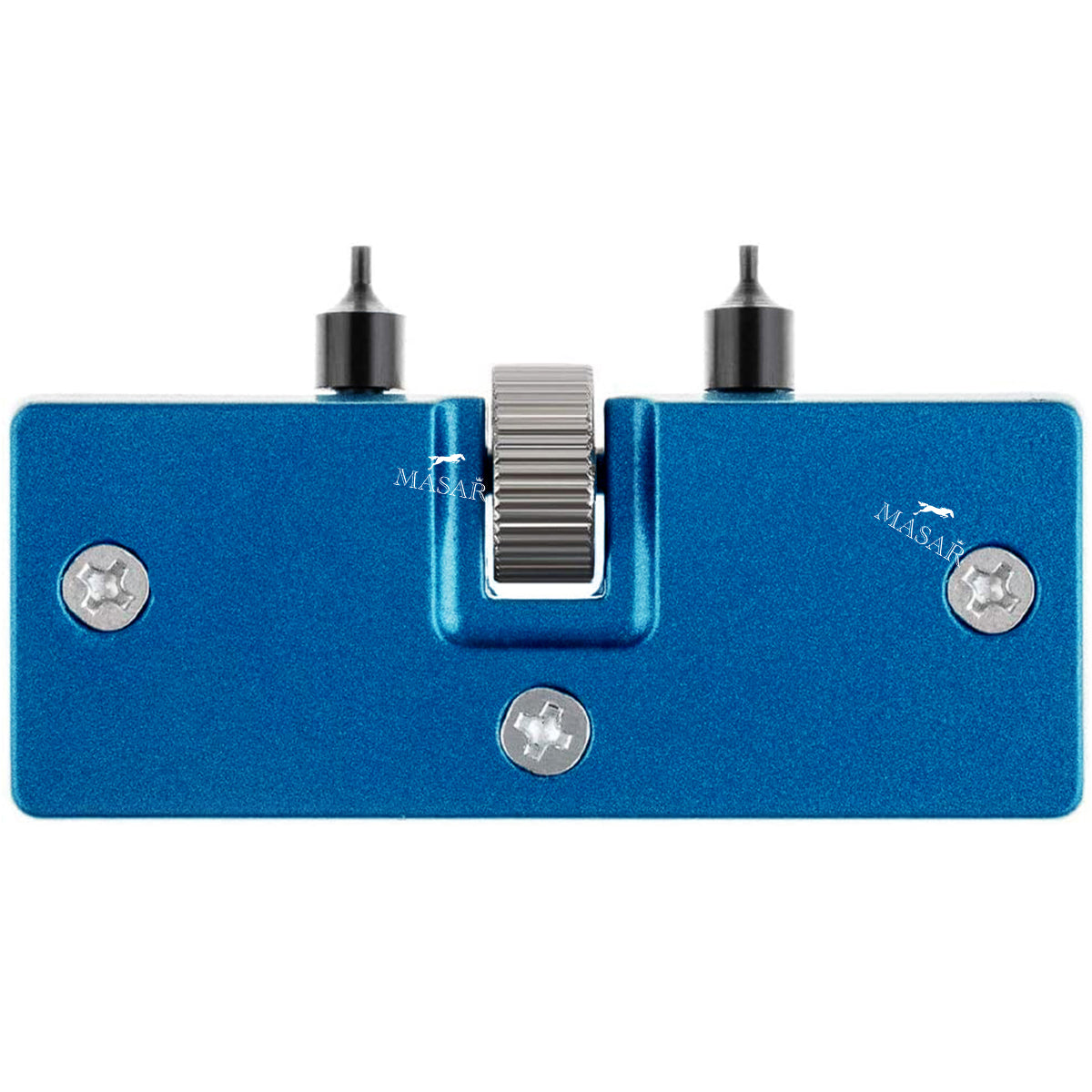
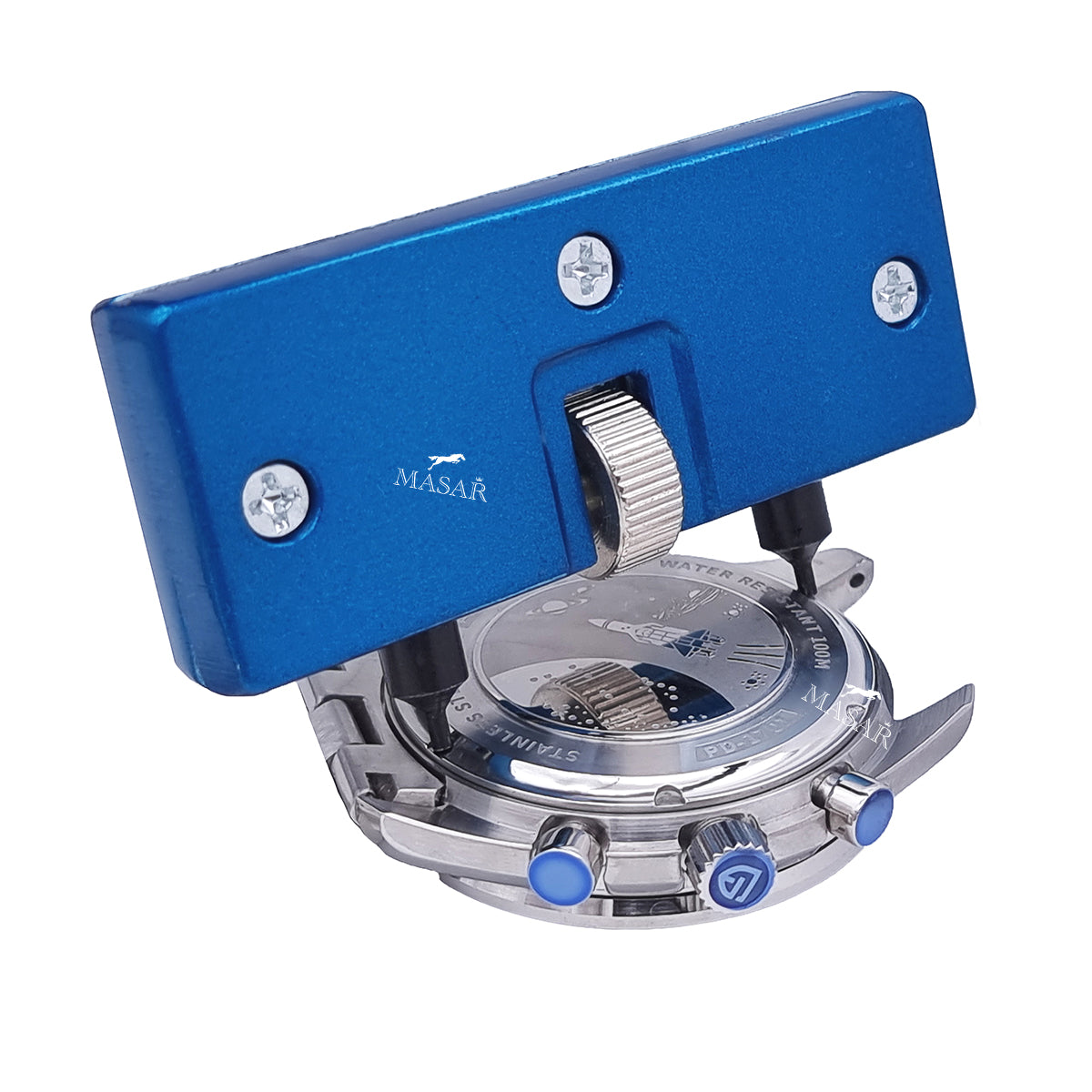
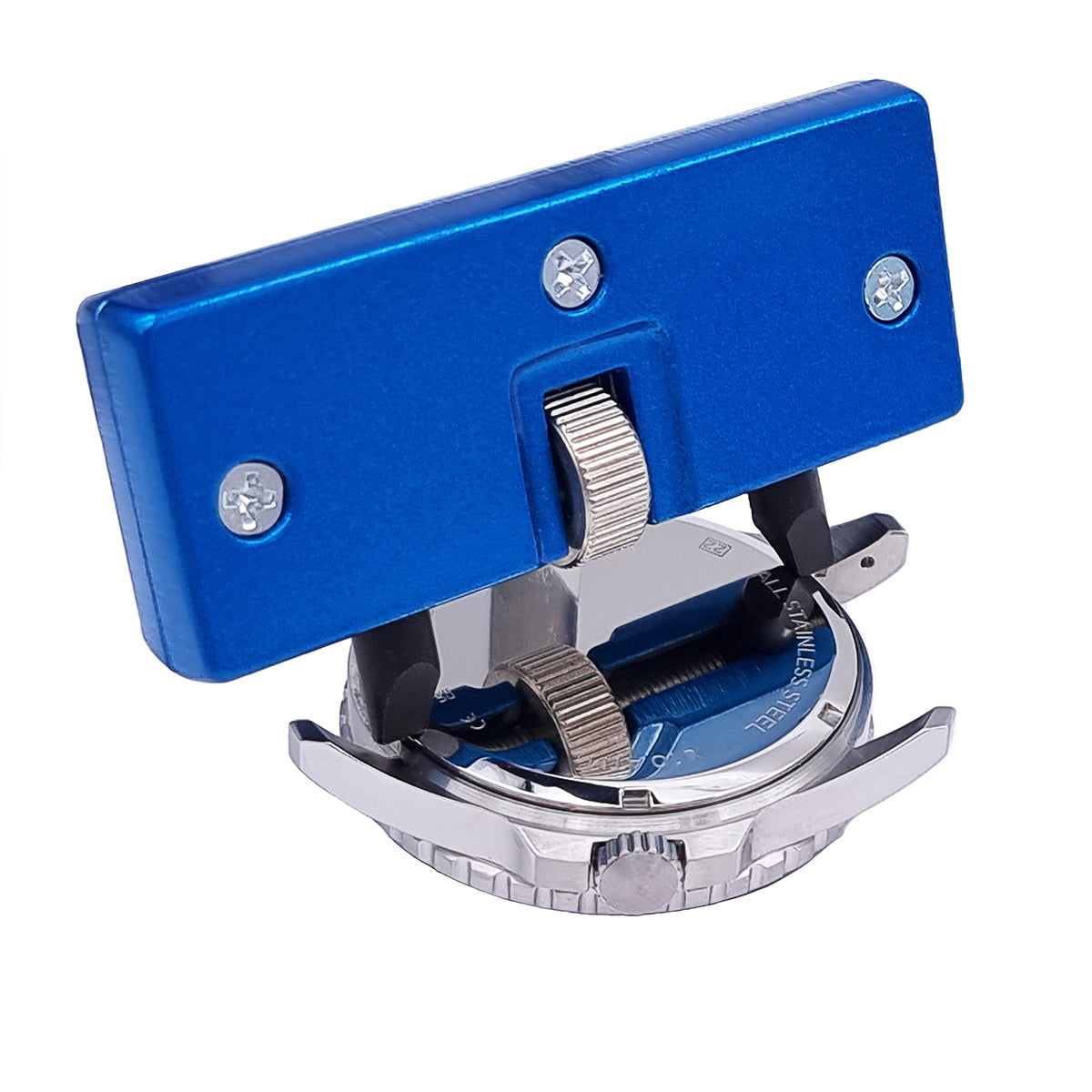
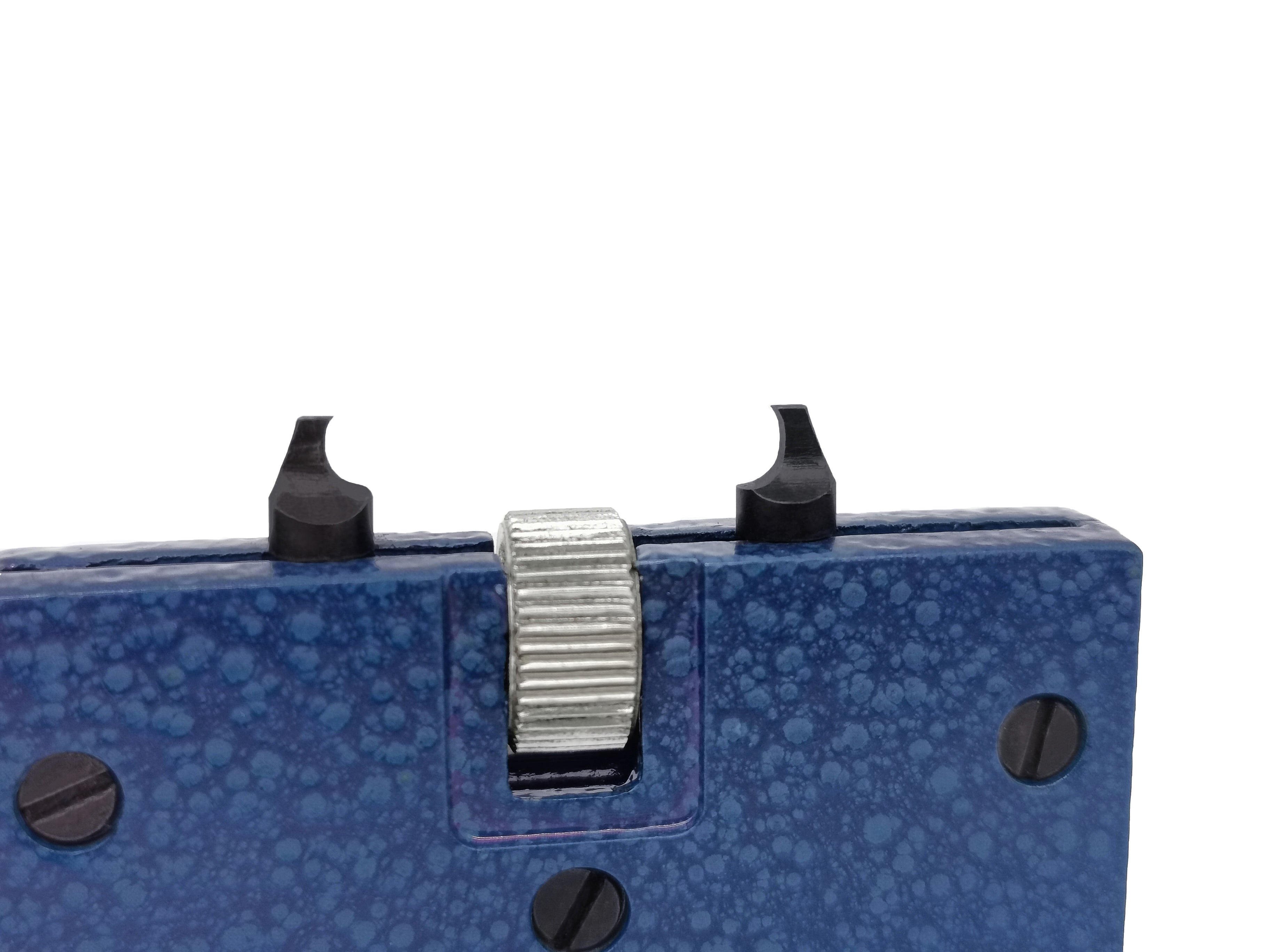
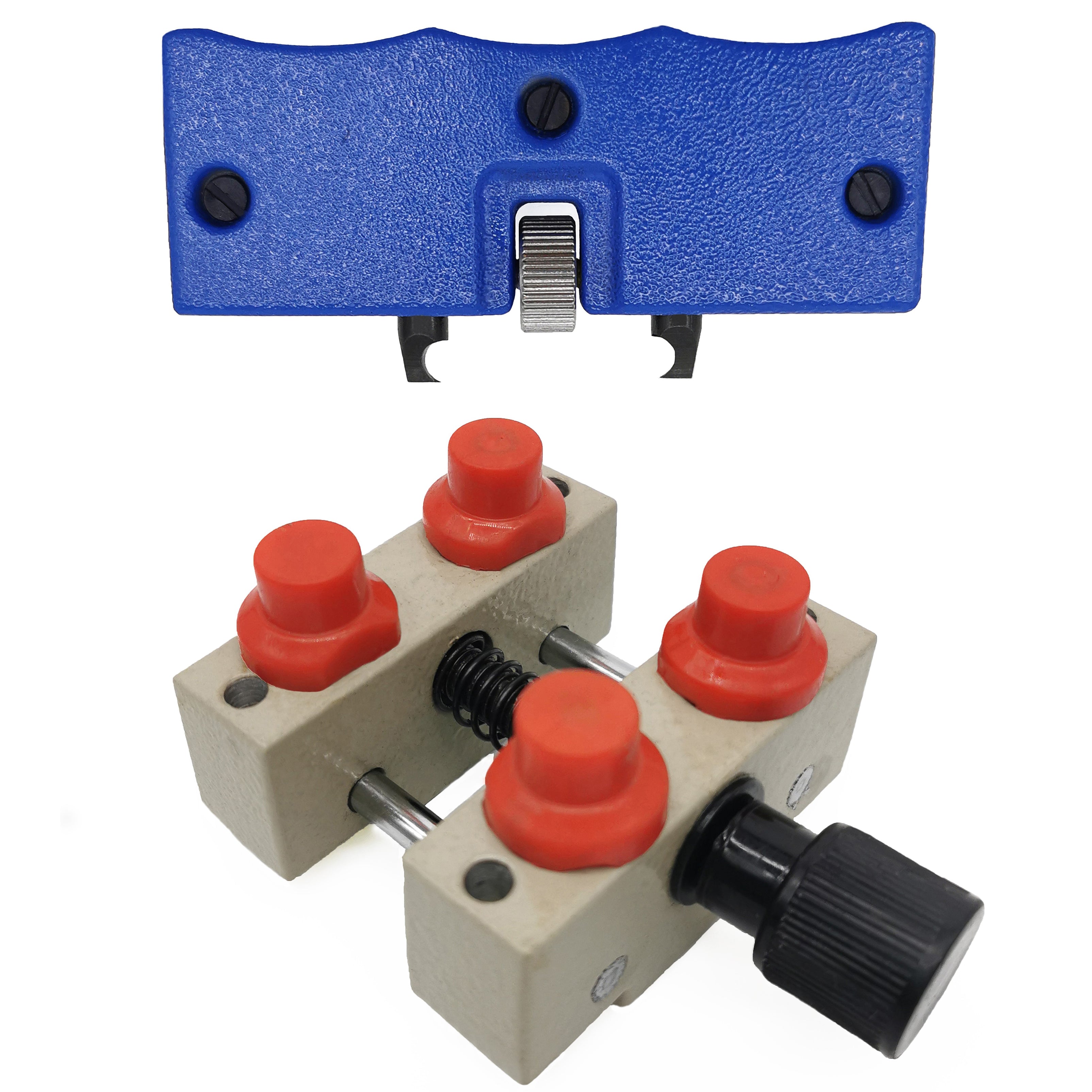
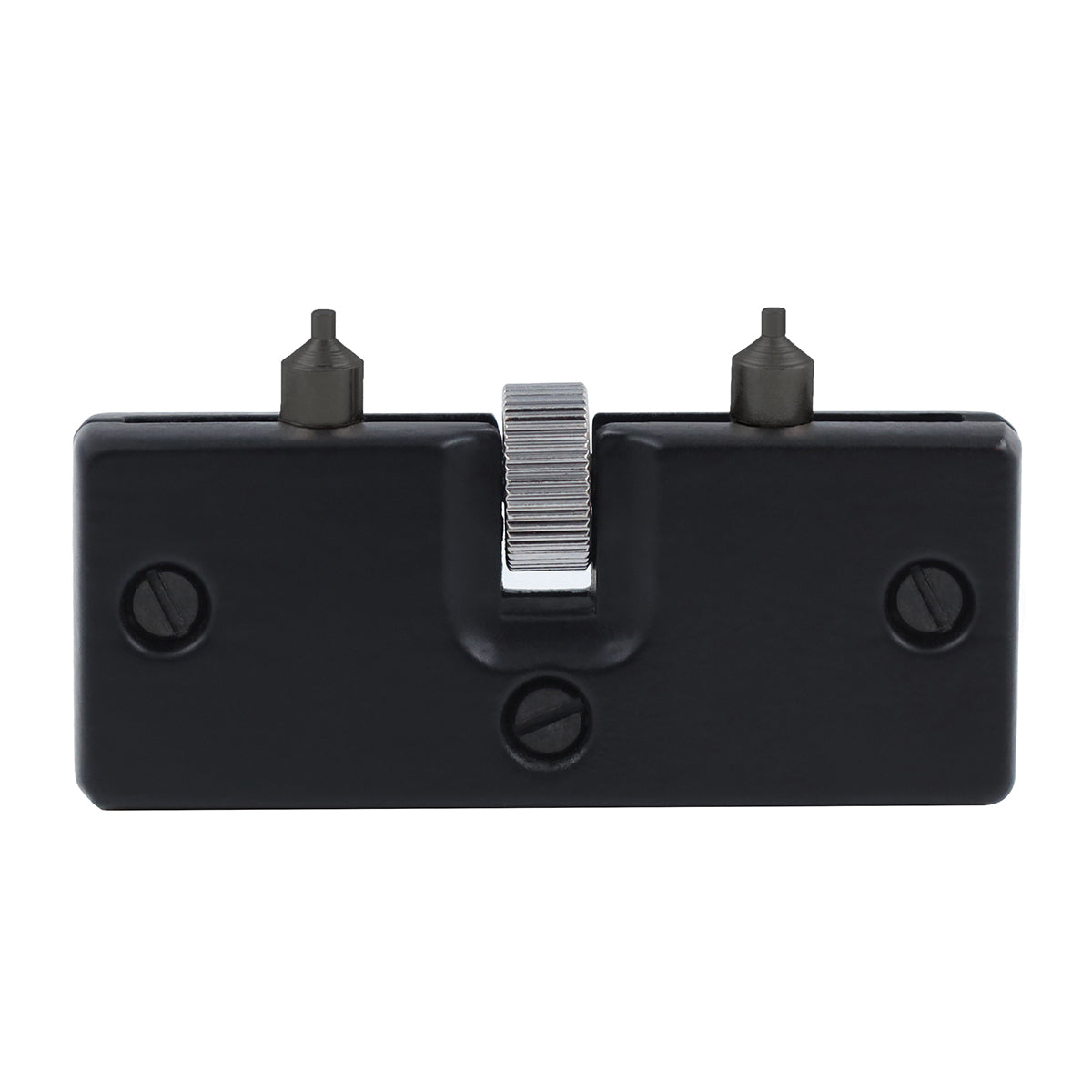
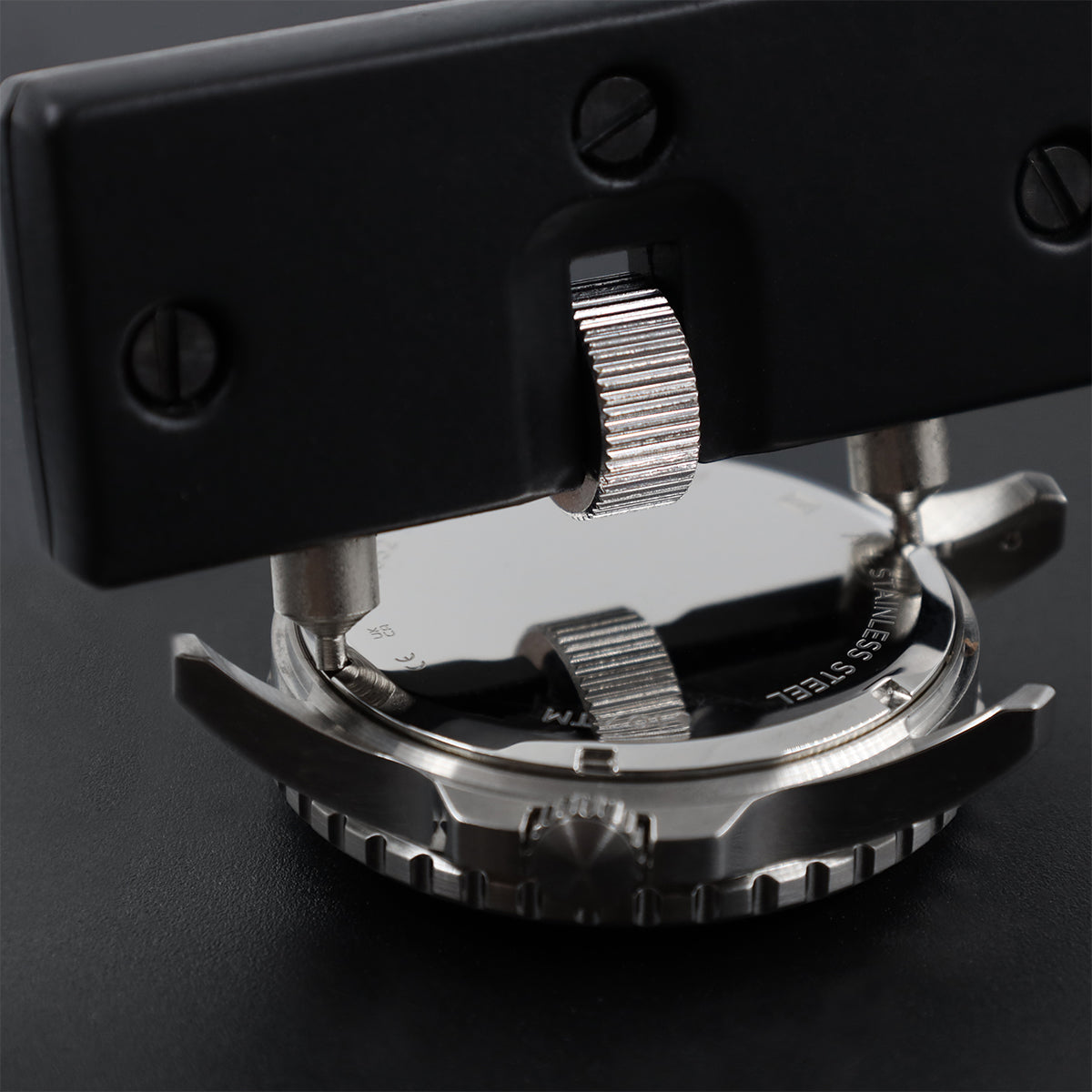
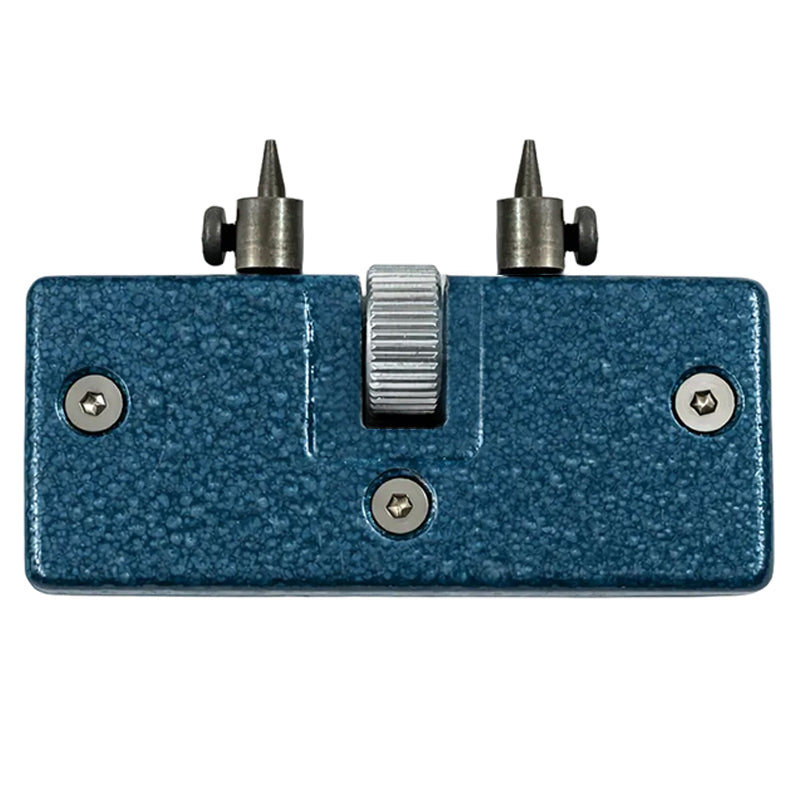
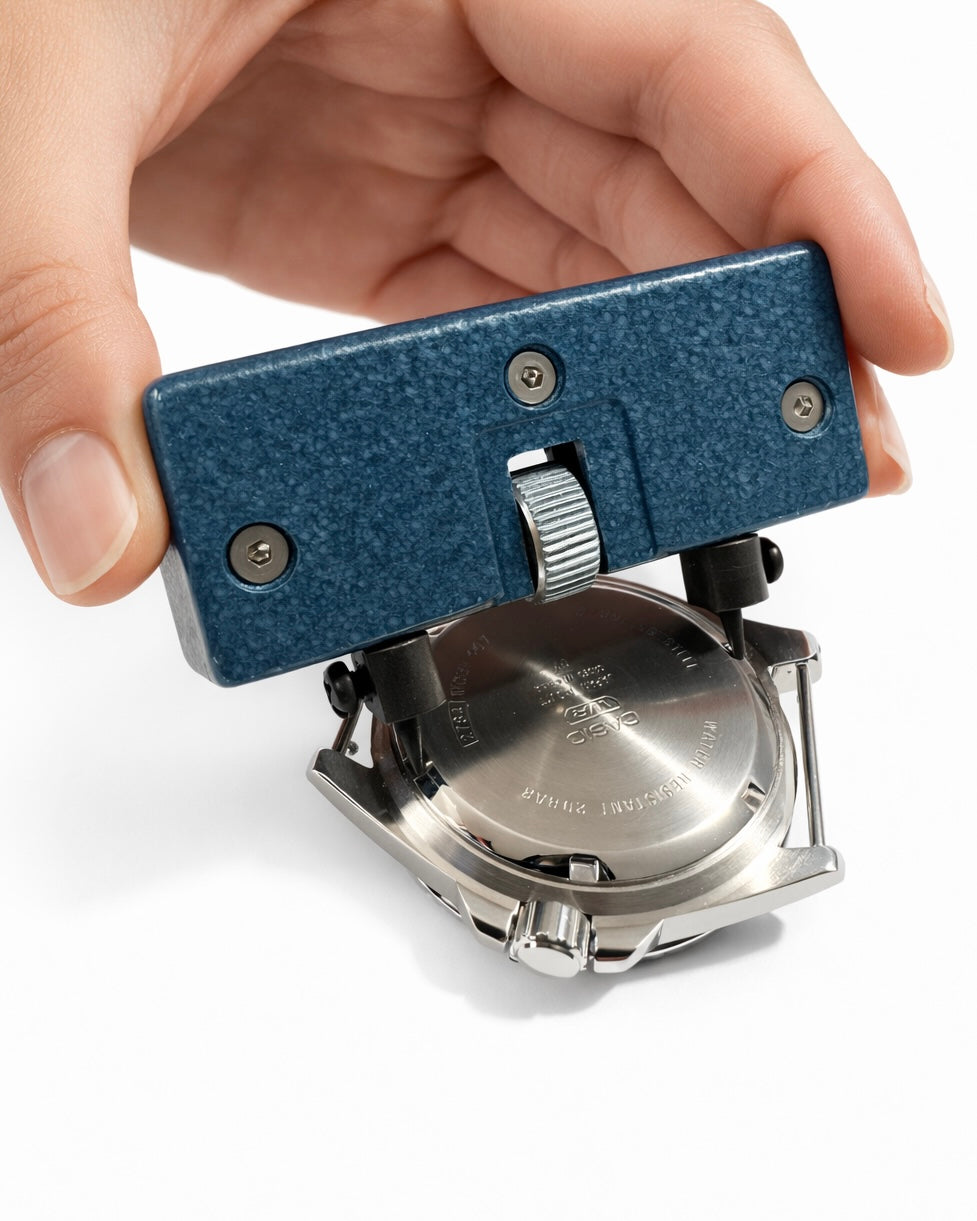
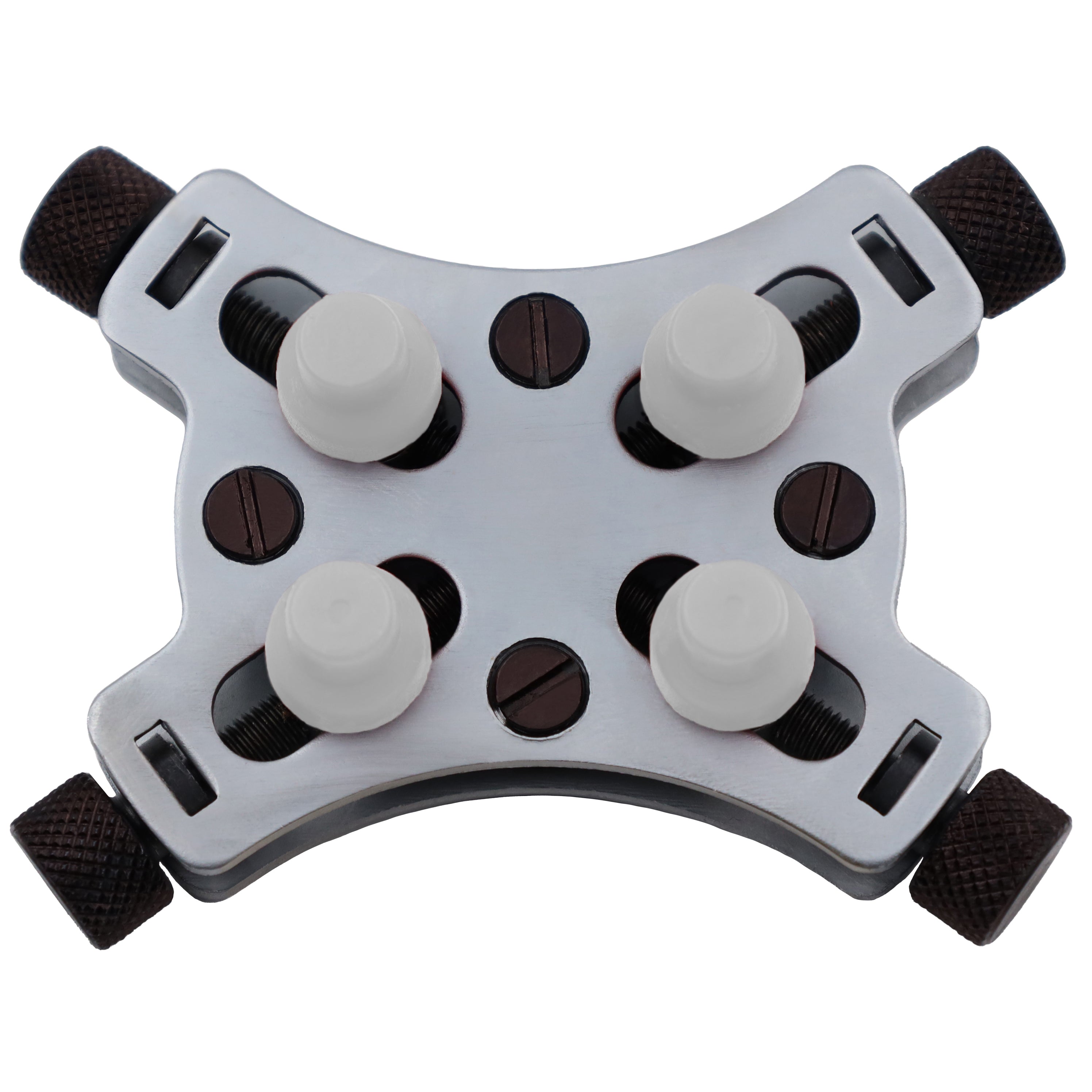
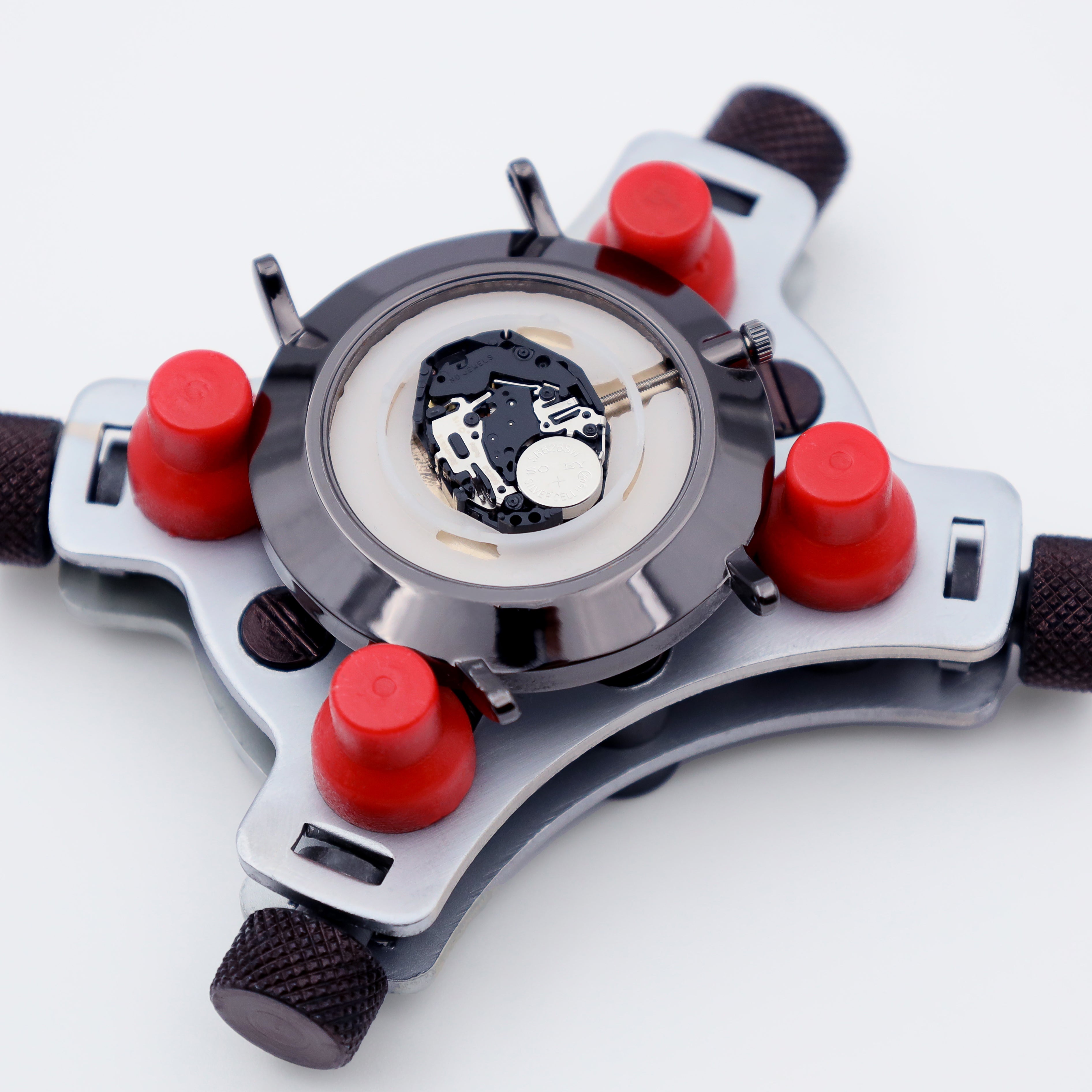
- Adjustable case wrench/opener : for opening screw-on cases with precision.
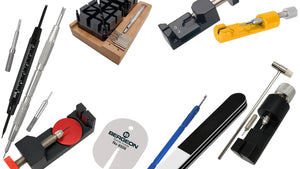
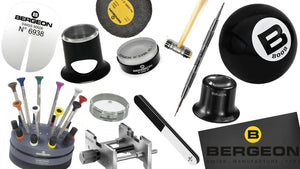
- Precision watchmaker's screwdriver : set of fine sizes for unscrewing covers or internal supports.
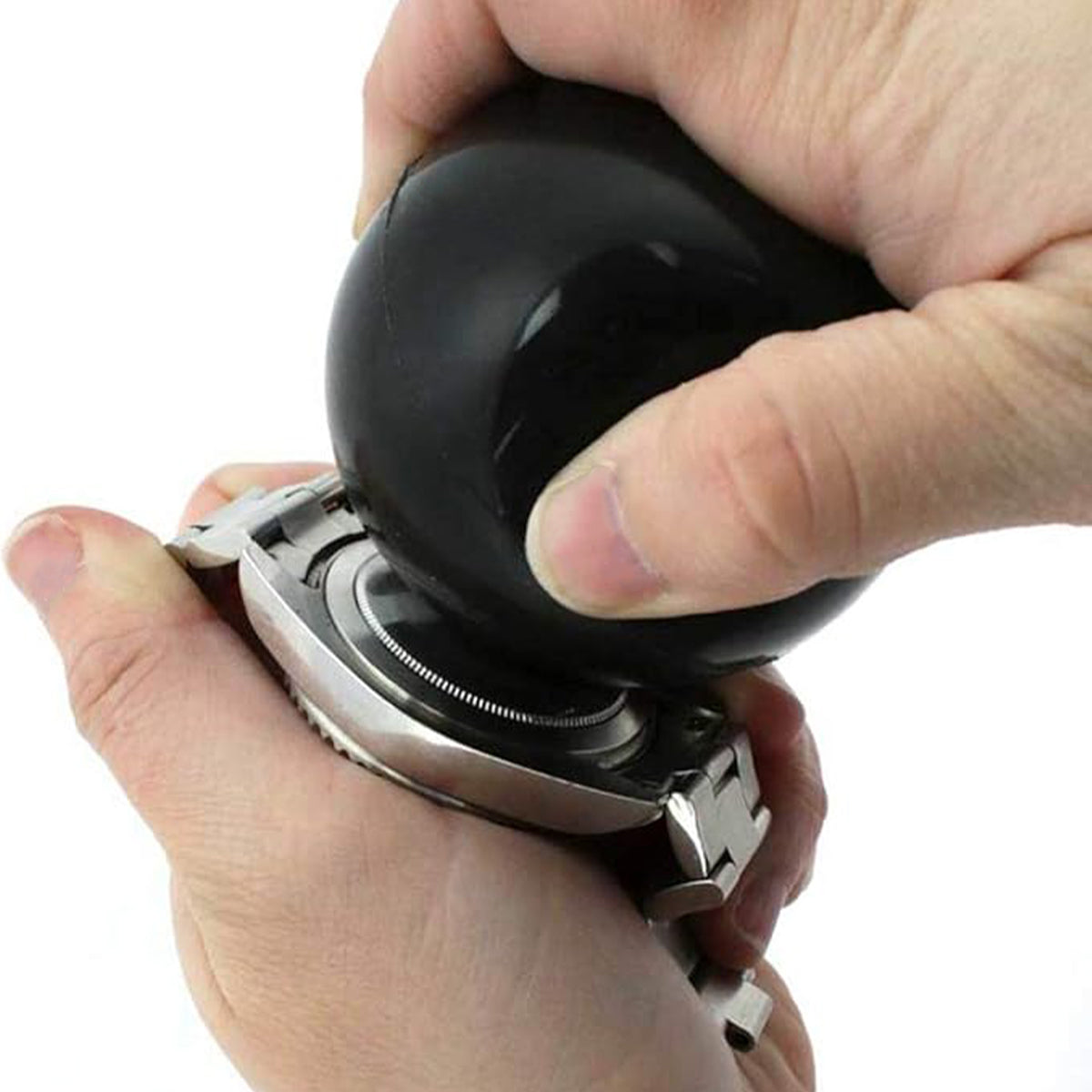
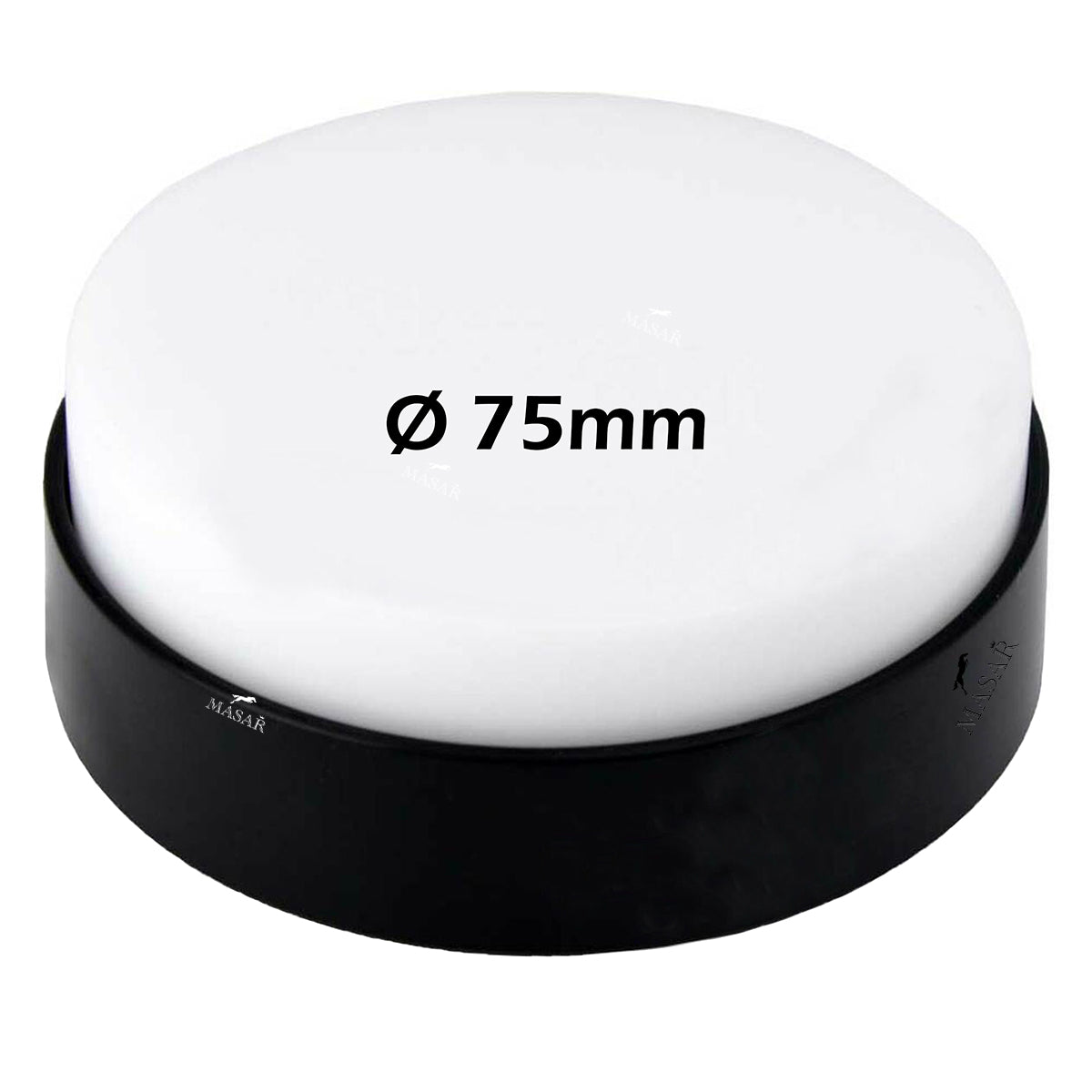
- Case press : to close a clipped back or glue a glass cleanly without constraints.
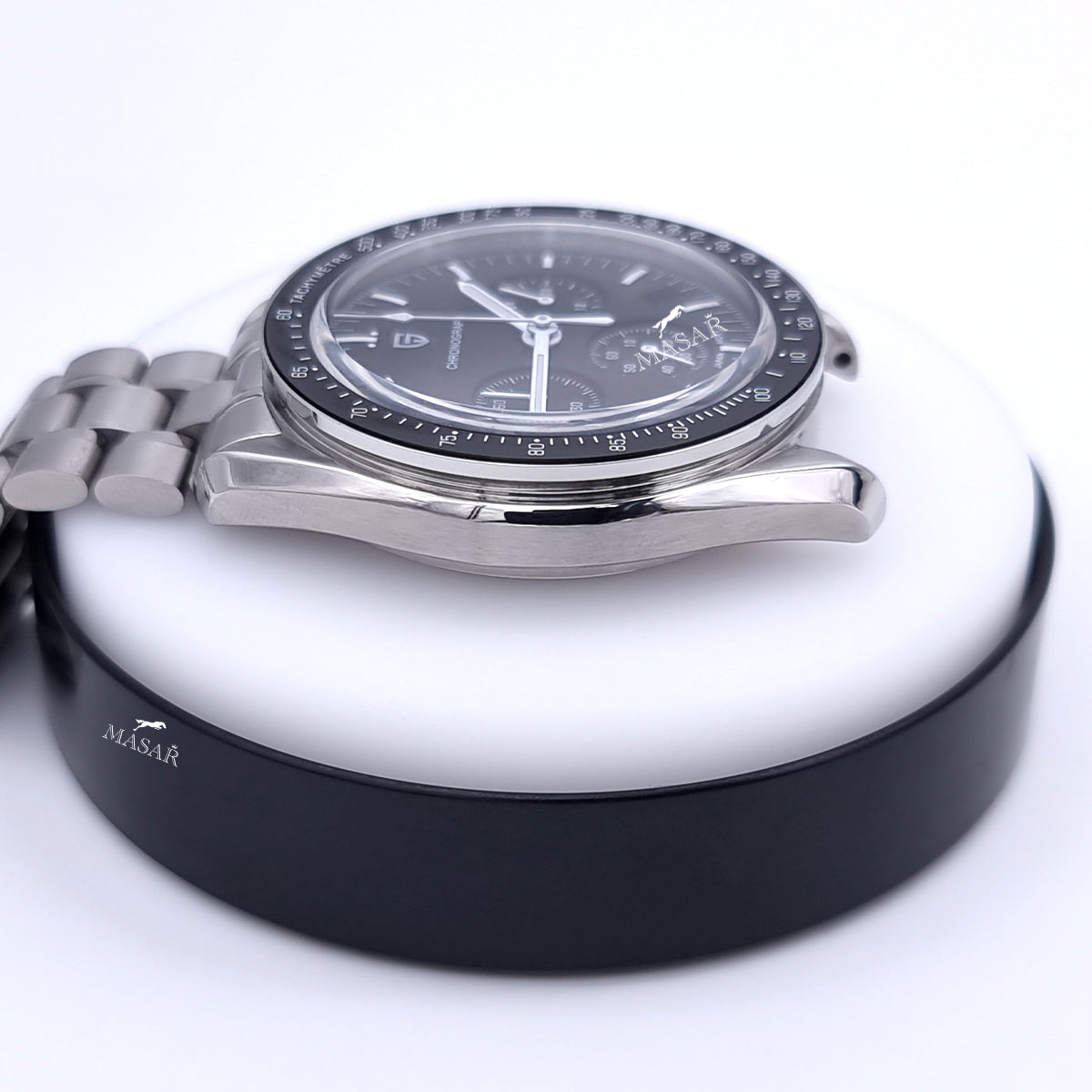
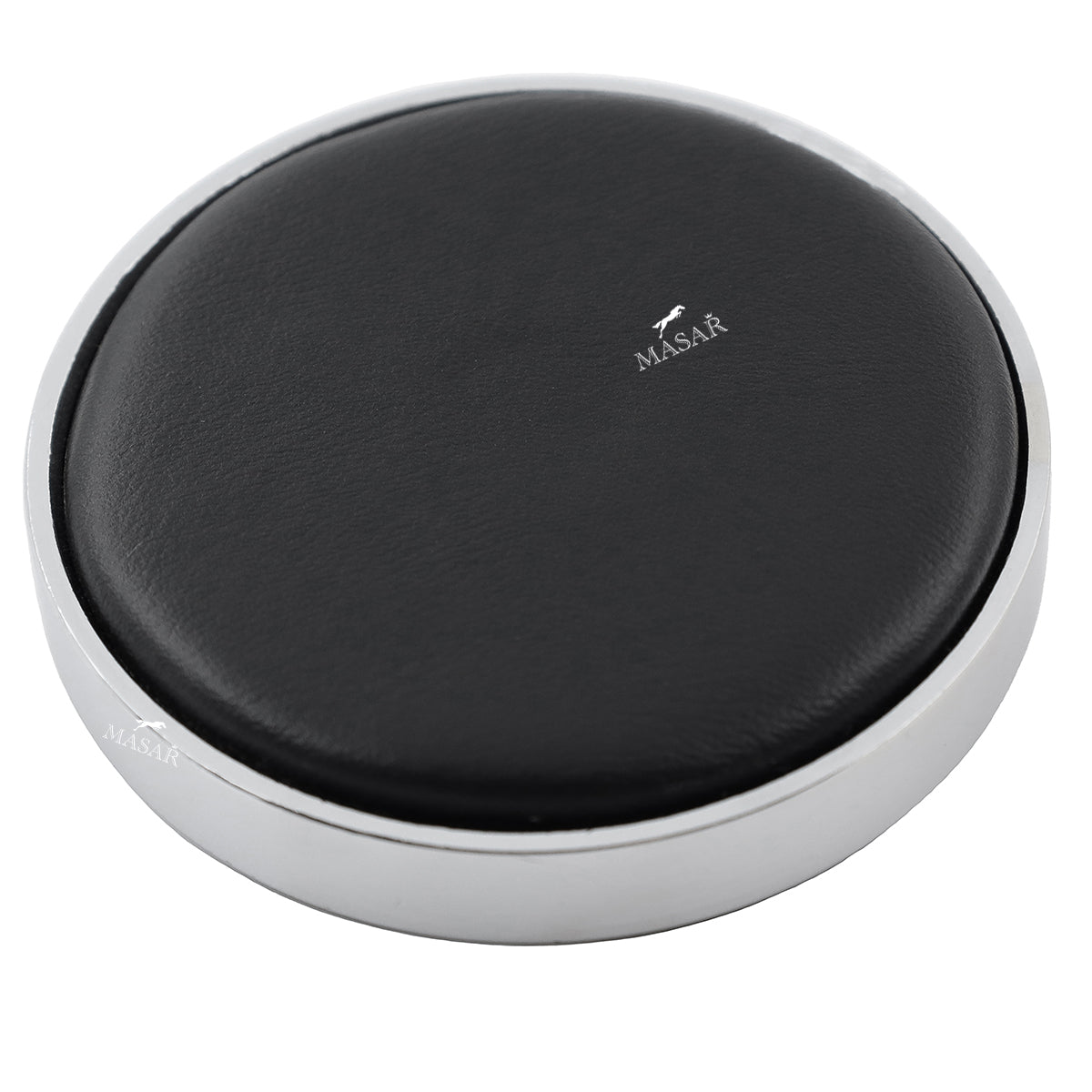
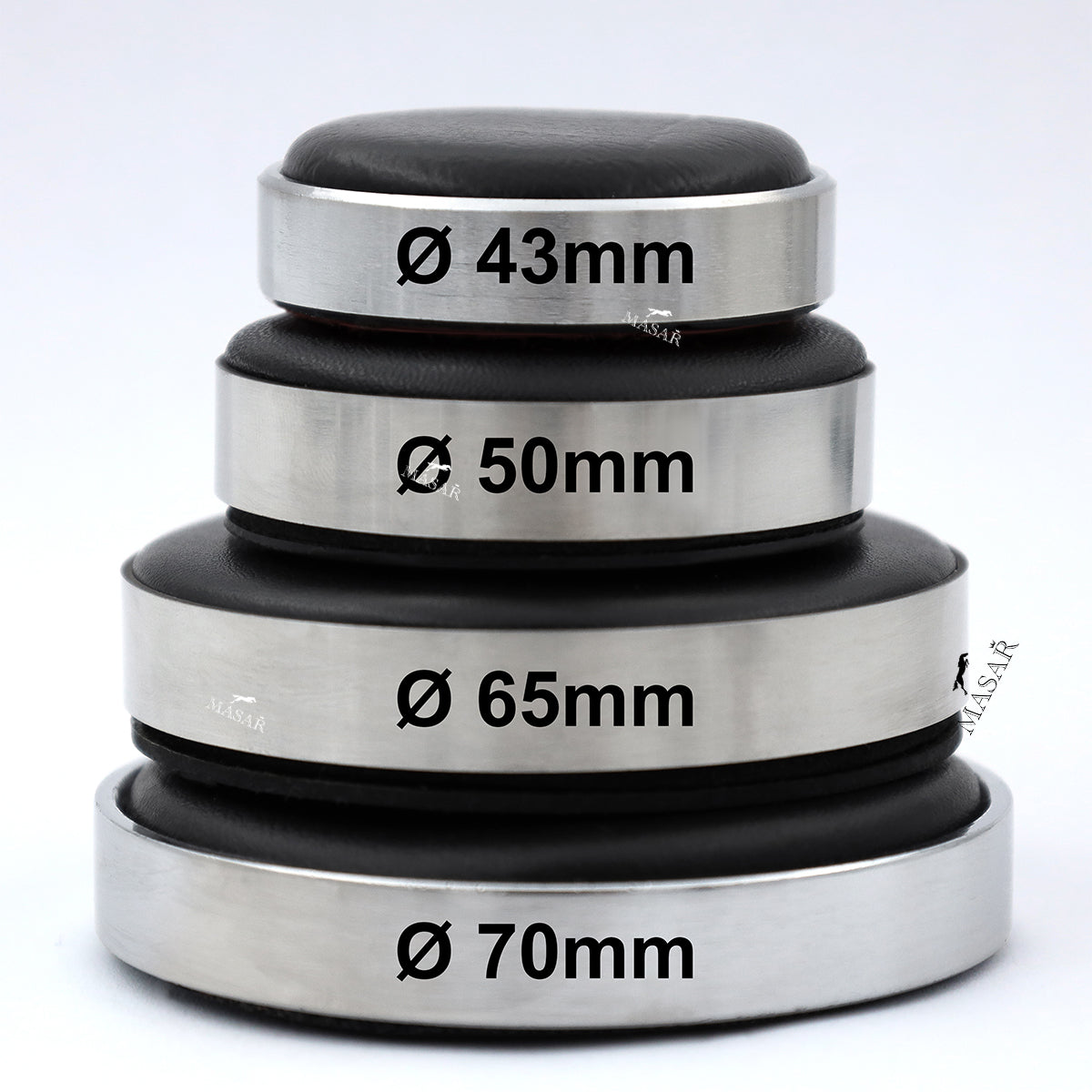
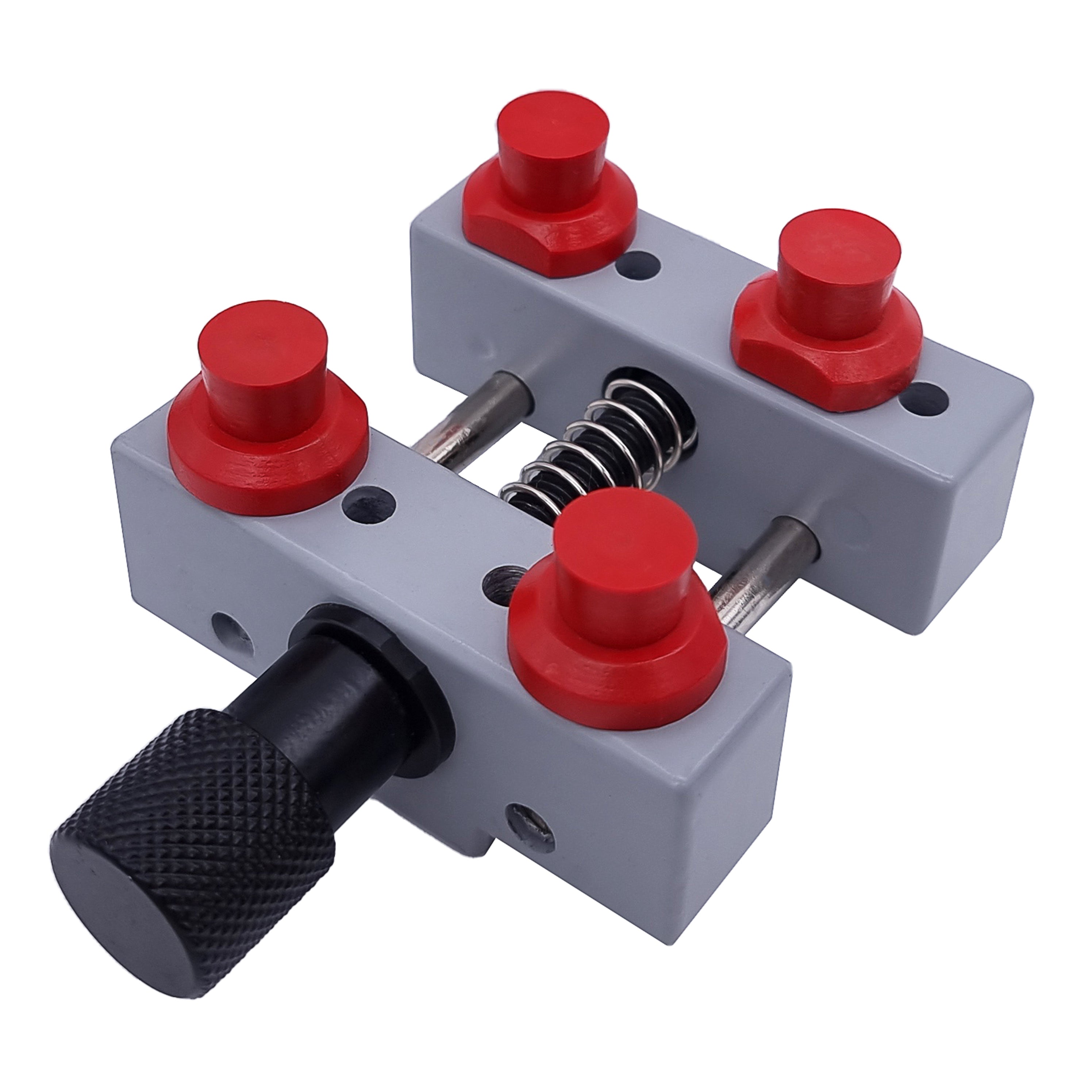
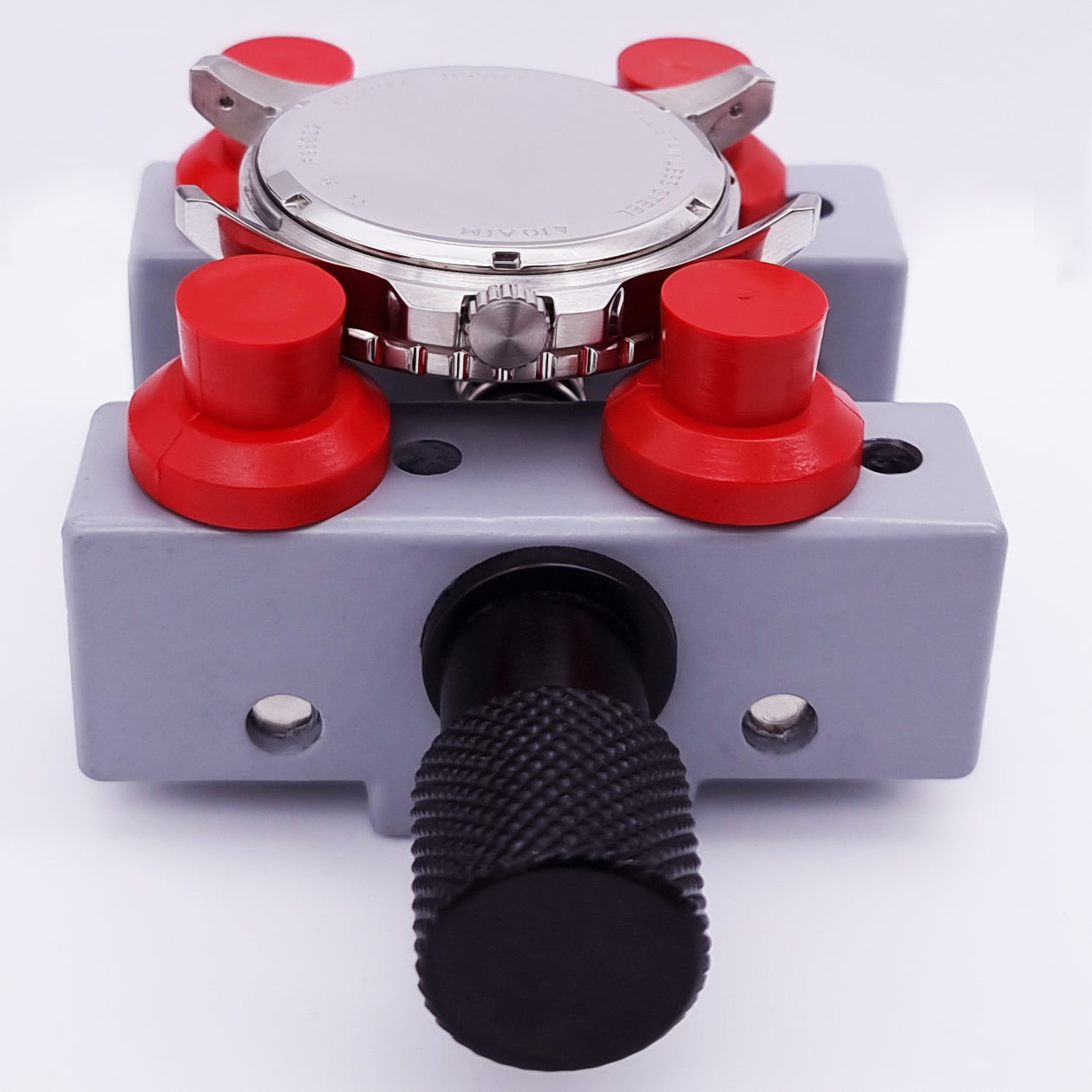
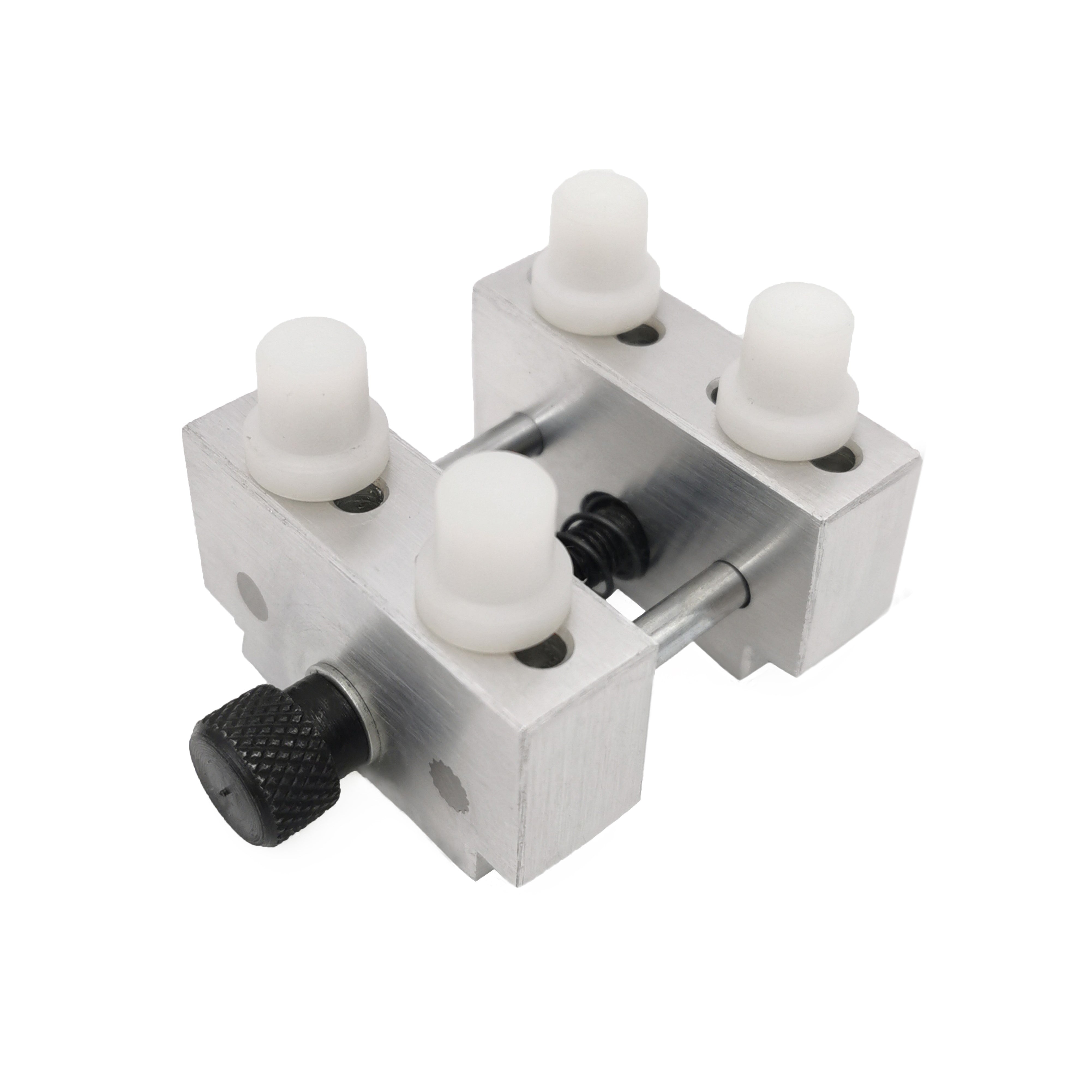
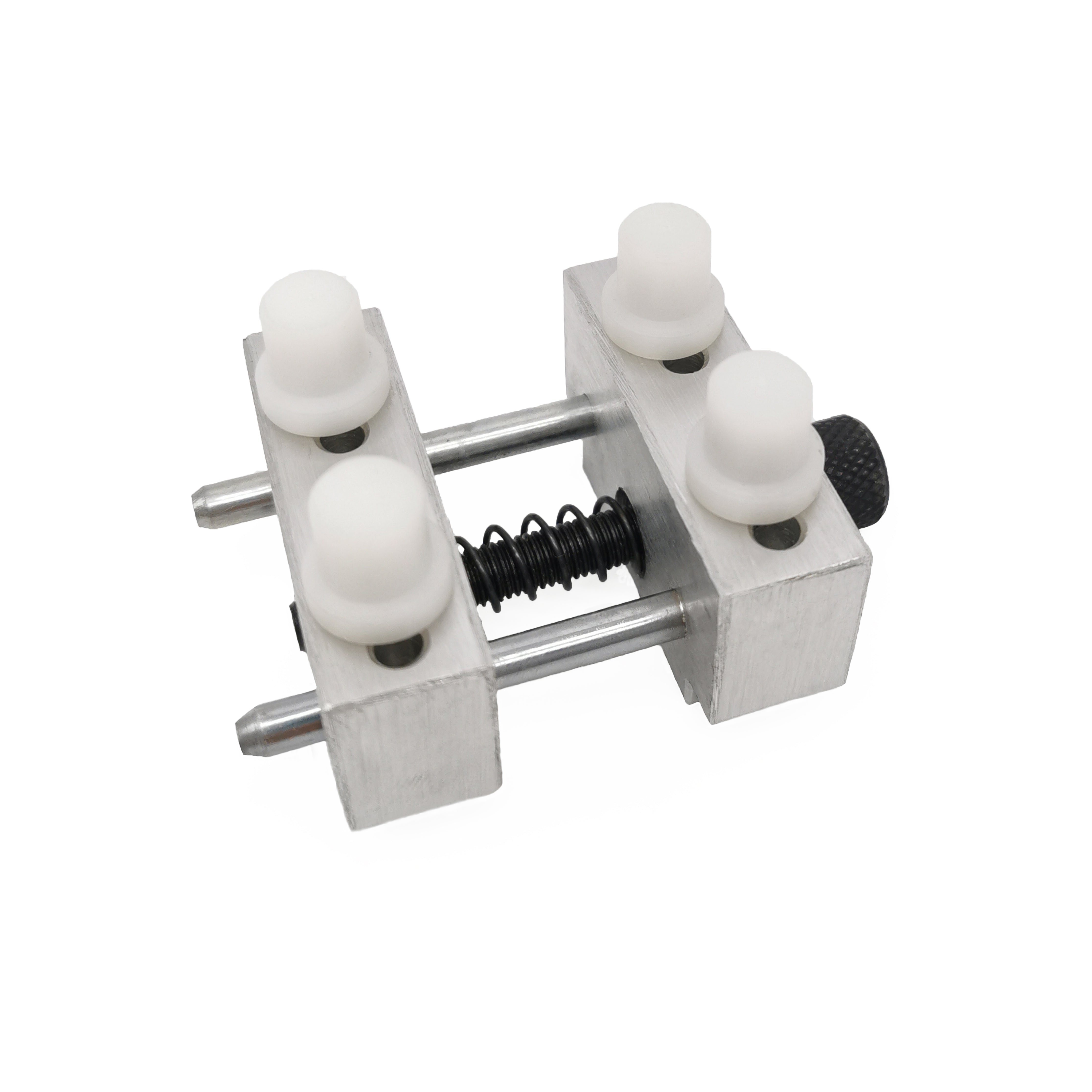
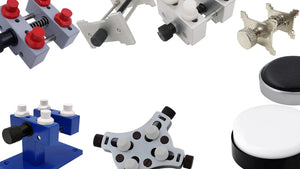
- Movement holder / casing cushion : secure holding of the caliber during the intervention.
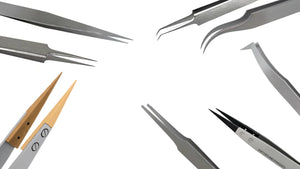
- Antimagnetic pliers and tweezers : handling of elements and batteries without risk of magnetization.
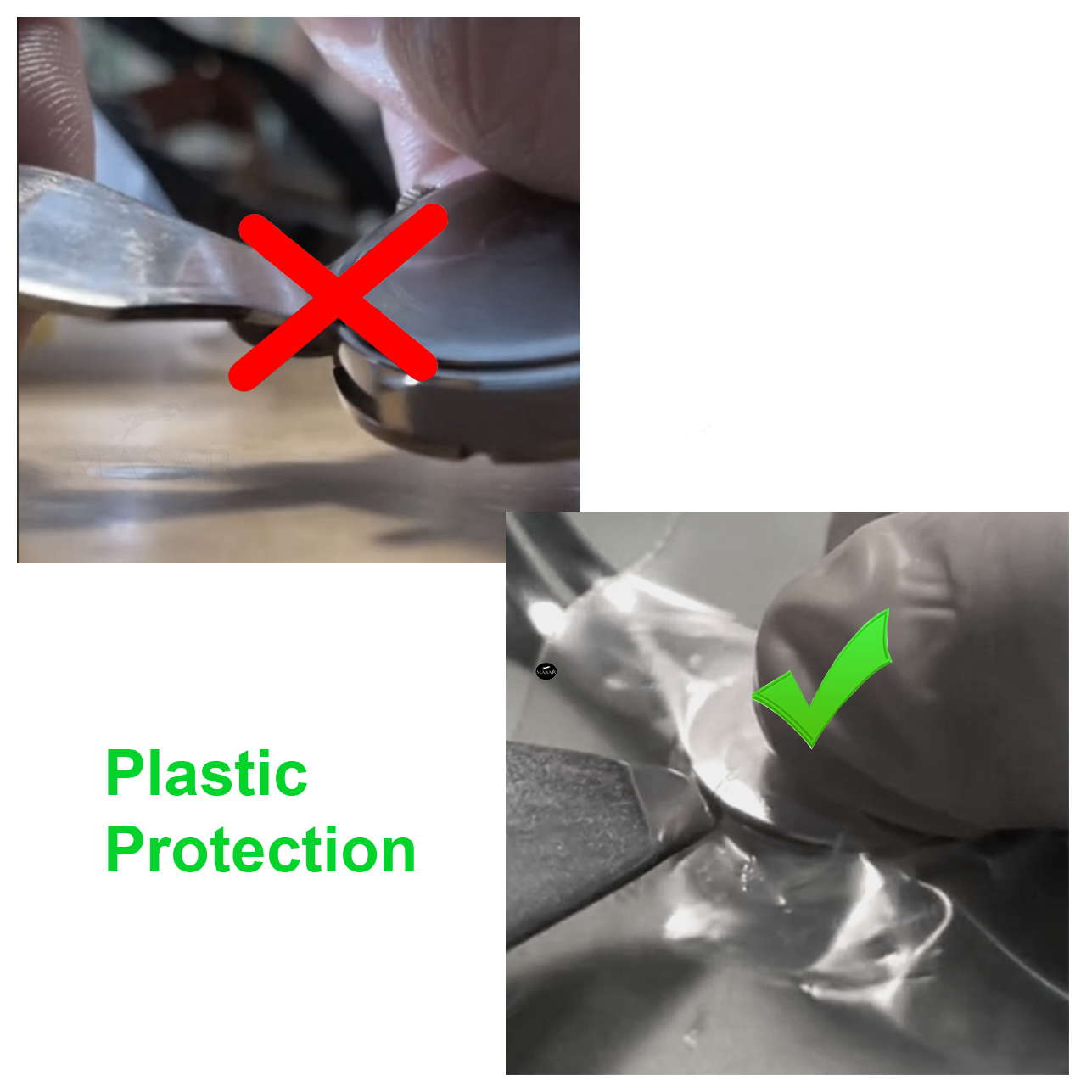
- Battery removal tool / plastic lever : remove the battery without scratching the case or short-circuiting.
- Battery tester : Check battery condition before and after replacement.
- Magnifying glass or clamp magnifier : visual inspection of components and watertightness.
- Antistatic gloves or finger cot : avoid fingerprints, dirt and corrosion on the movement.
Useful additional material
- Replacement gasket / seals : Replace the bottom gasket if necessary to restore watertightness.
- Microfiber cloth : scratch-free cleaning of the case and glass.
- Compressed air canister : blow away dust and debris.
- Battery holder and secure battery holder for storage.
- Size markers : note the battery reference (e.g. SR621SW, CR2032, etc.) and the case size.
Watchmaker's advice
- Work on a clean, well-lit surface with a non-slip mat.
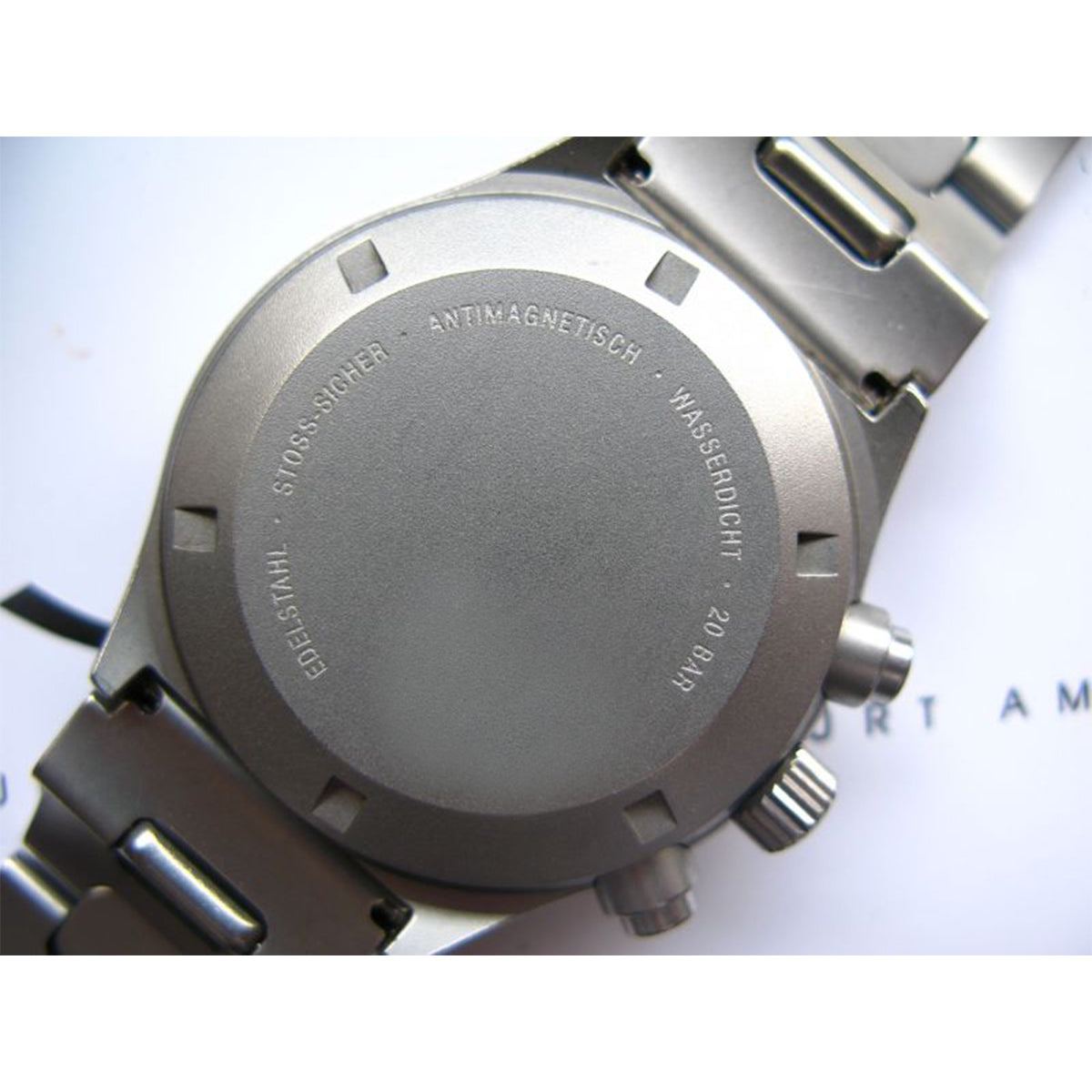
- Identify the type of bottom (clipped, screwed, pressure) before any handling.
- Always replace the gasket if the old one is damaged or crushed.
- Use non-magnetic tools to avoid any disruption to movement.
- Check the battery polarity and reference before installation.
- After replacement, test the water resistance for watches marked as waterproof (professional test recommended for diving watches).
FAQ – Opening a watch and changing the battery
What tool do I use to open a clipped bottom?
The watch opener is best suited for clip-on cases and snap-on covers. Use moderate pressure and a thin blade to avoid scratching the case.
How to open a screw-on case back?
Use an adjustable case opener or a pin wrench that fits the case size. Make sure the pins are properly seated to prevent slipping.
Can I change the battery myself?
Yes, for basic watches, if you have the right tools and follow the precautions (anti-static, cleanliness, gasket check). For high-end or waterproof watches, it is advisable to entrust the operation to a watchmaker who will perform a water resistance test.
What to do if the seal is damaged?
Replace the gasket with one of the same shape and size. A damaged gasket compromises the water resistance and longevity of the movement.
Is a waterproof test necessary after changing the battery?
For non-waterproof watches, a simple visual inspection is sufficient. For waterproof watches, especially diving watches, a professional water resistance test is recommended after opening the case.